Dancing through the Generalife Gardens of Alhambra
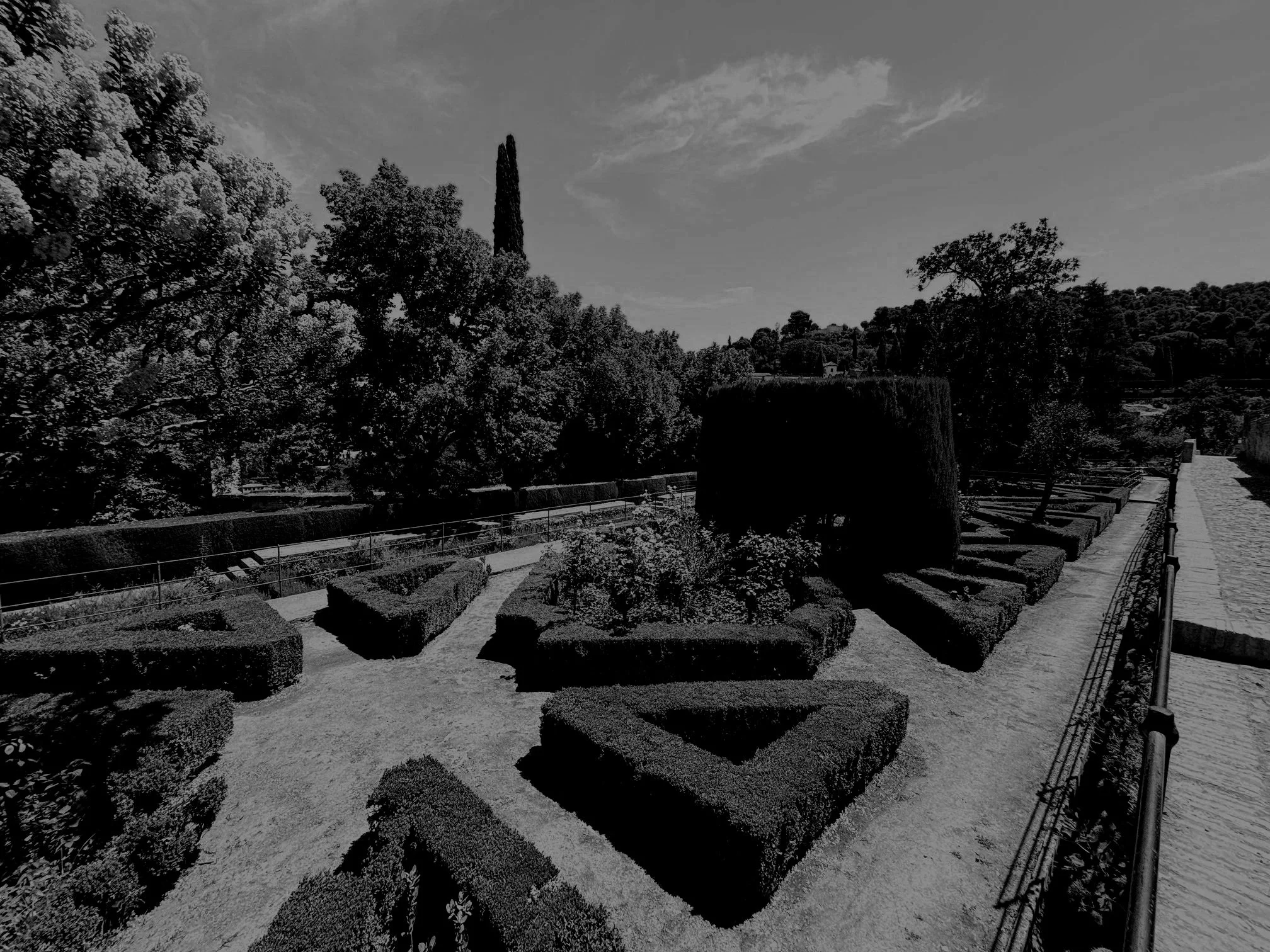
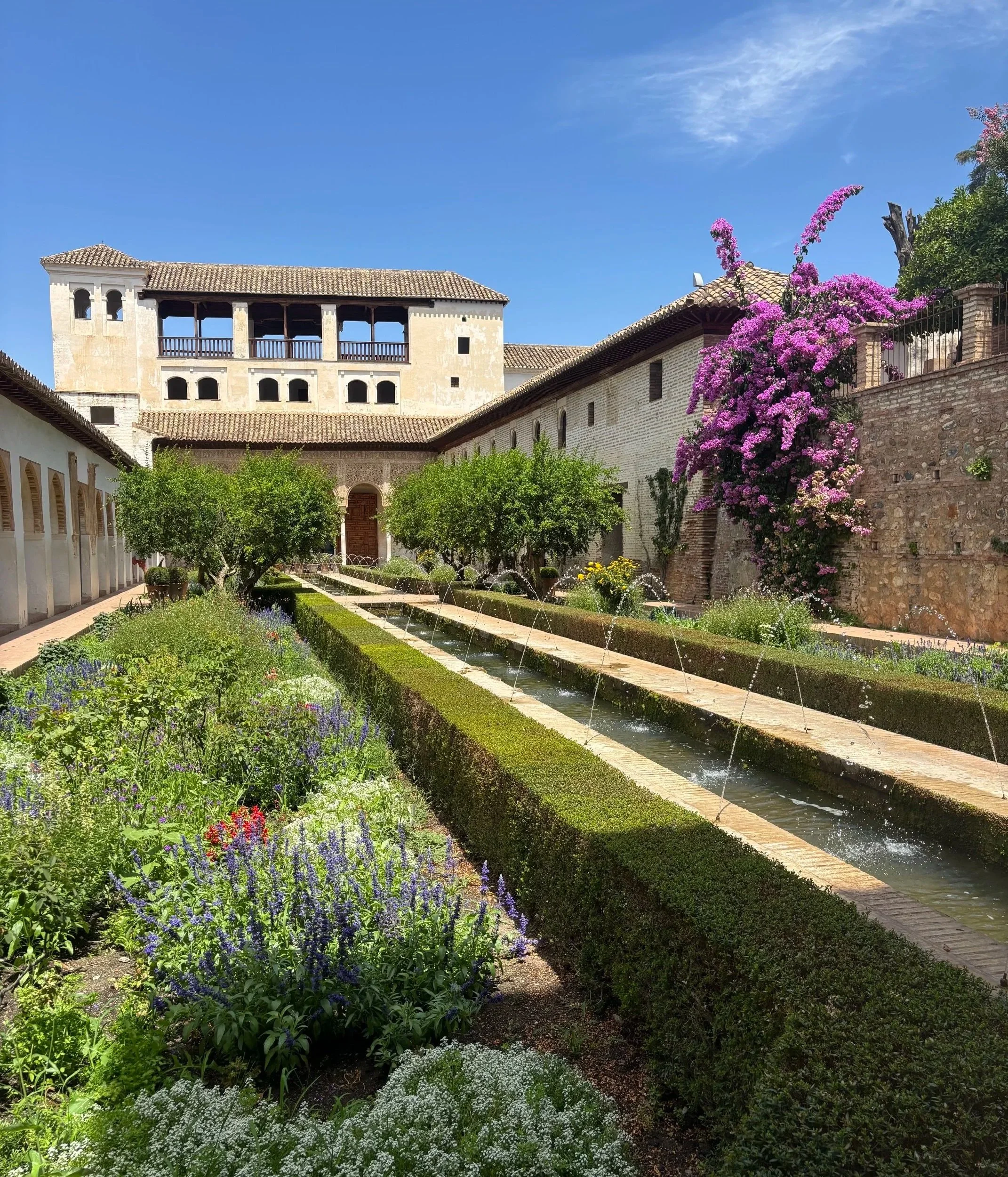
Generalife of Alhambra | Granada, Spain
“Everything here appears calculated to inspire kind and happy feelings, for everything is delicate and beautiful.”
-Washington Irving, Tales of the Alhambra
The Generalife gardens of Alhambra in Granada, Spain was almost too beautiful to take in all at once. Built in the 13th century, the word Generalife translates to “Architect’s Garden”.
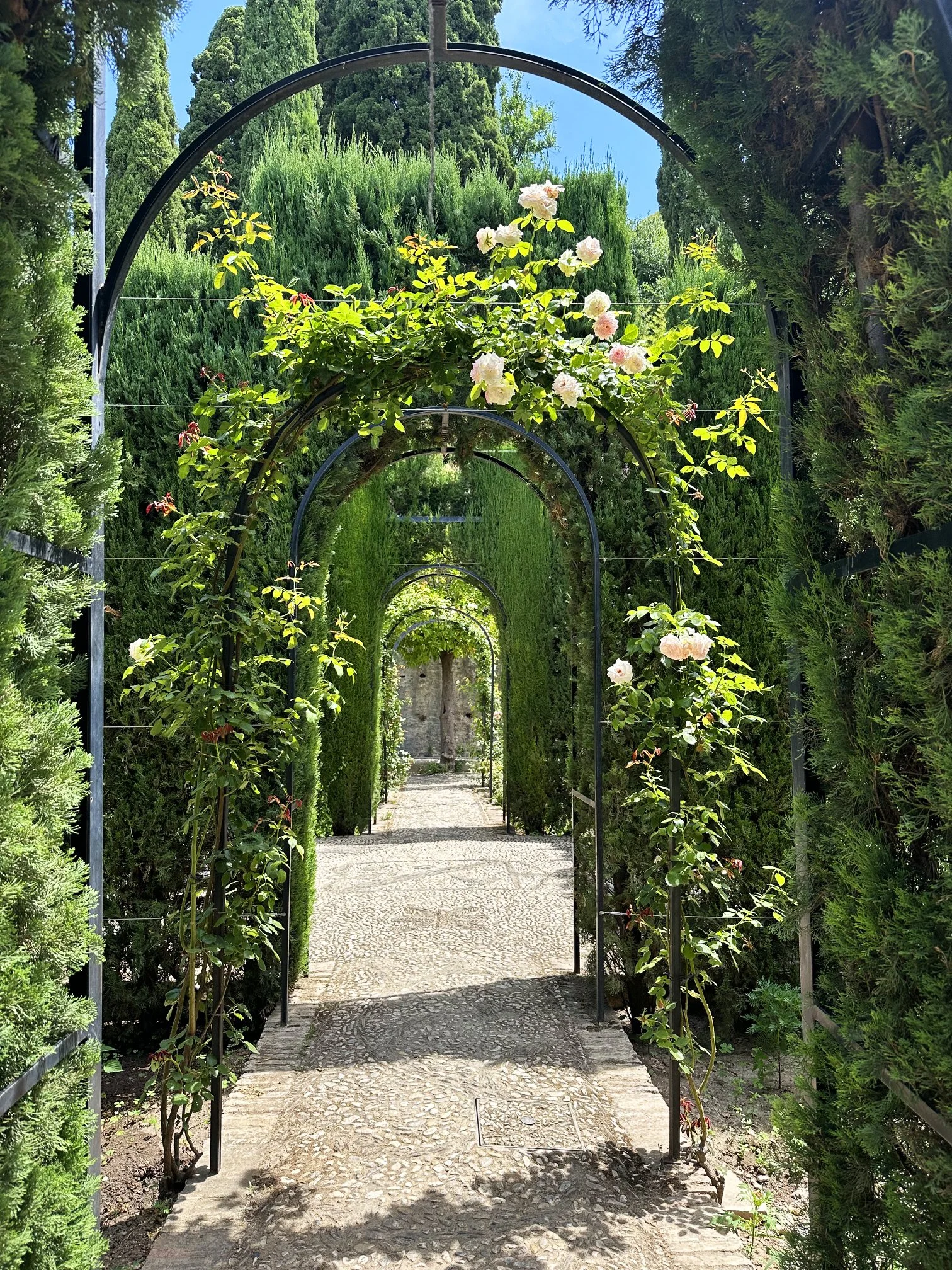
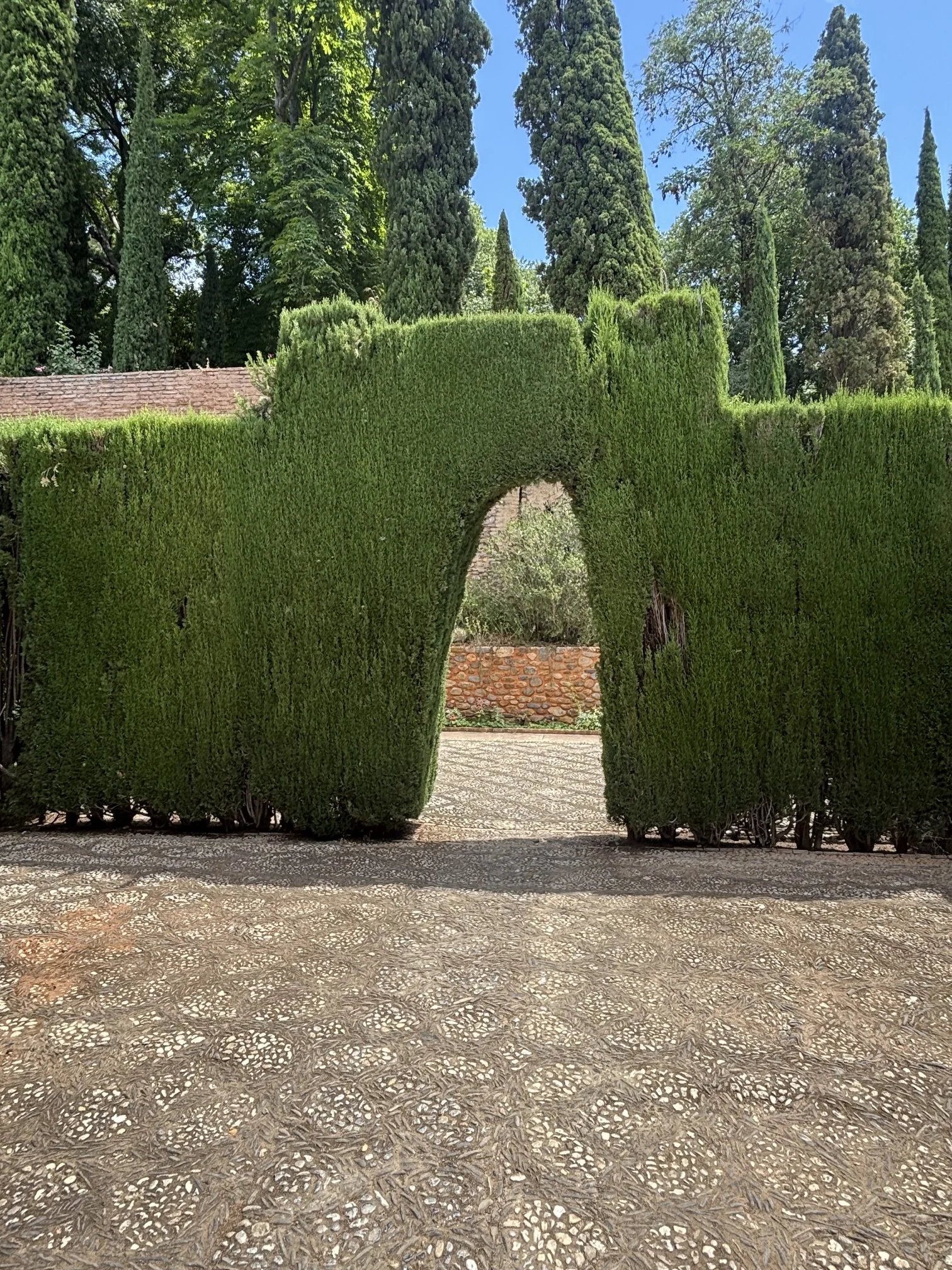
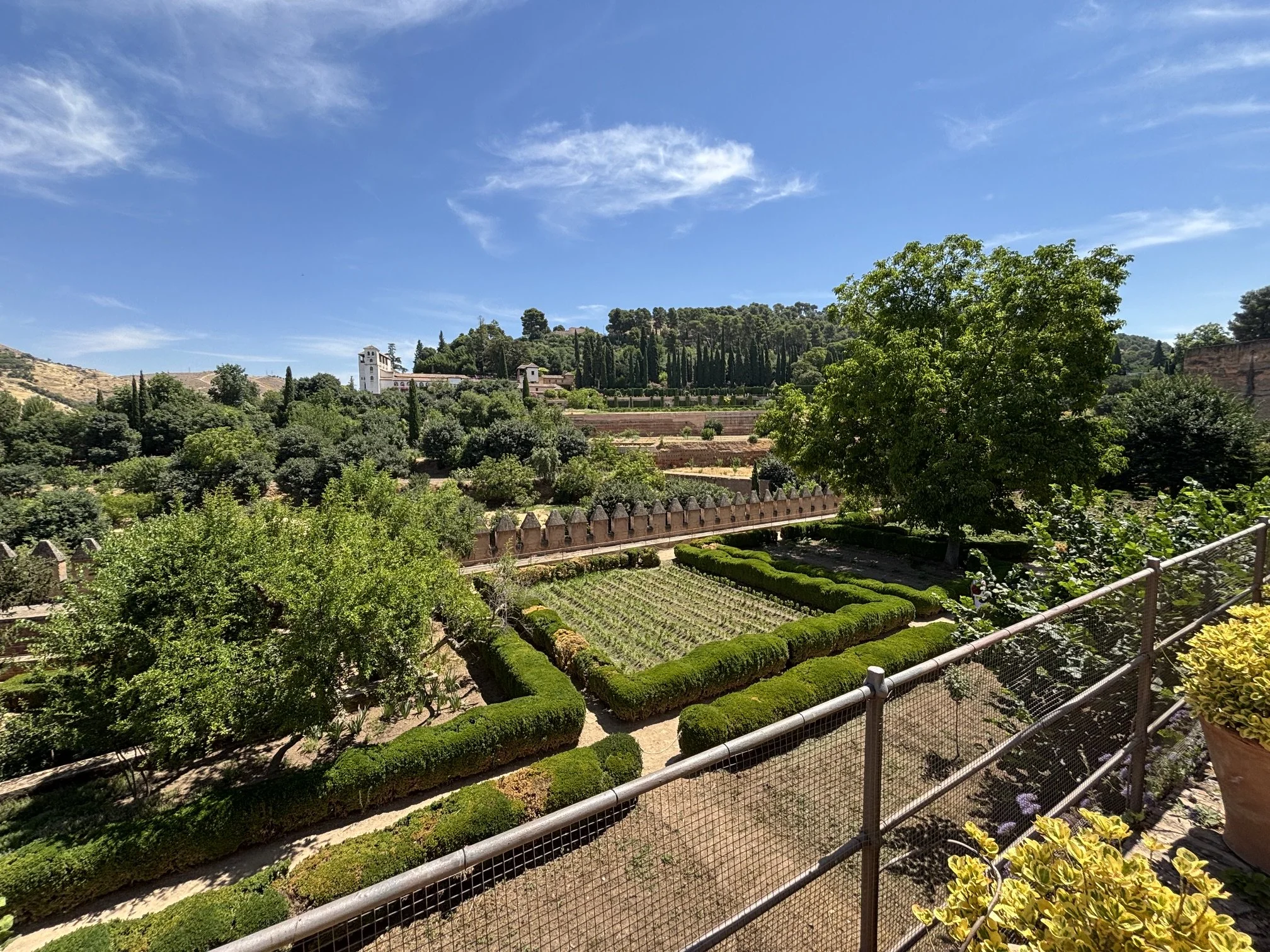
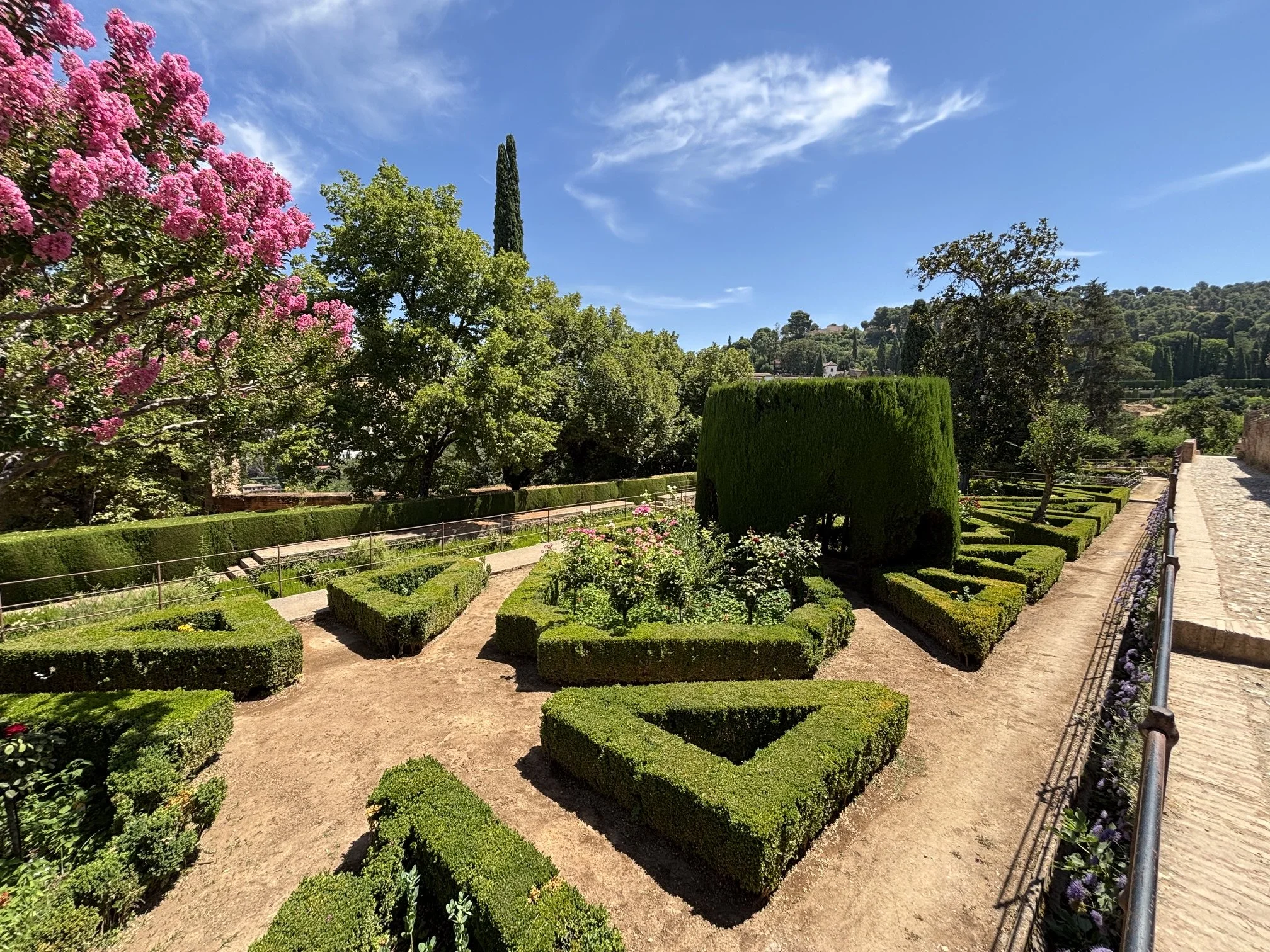
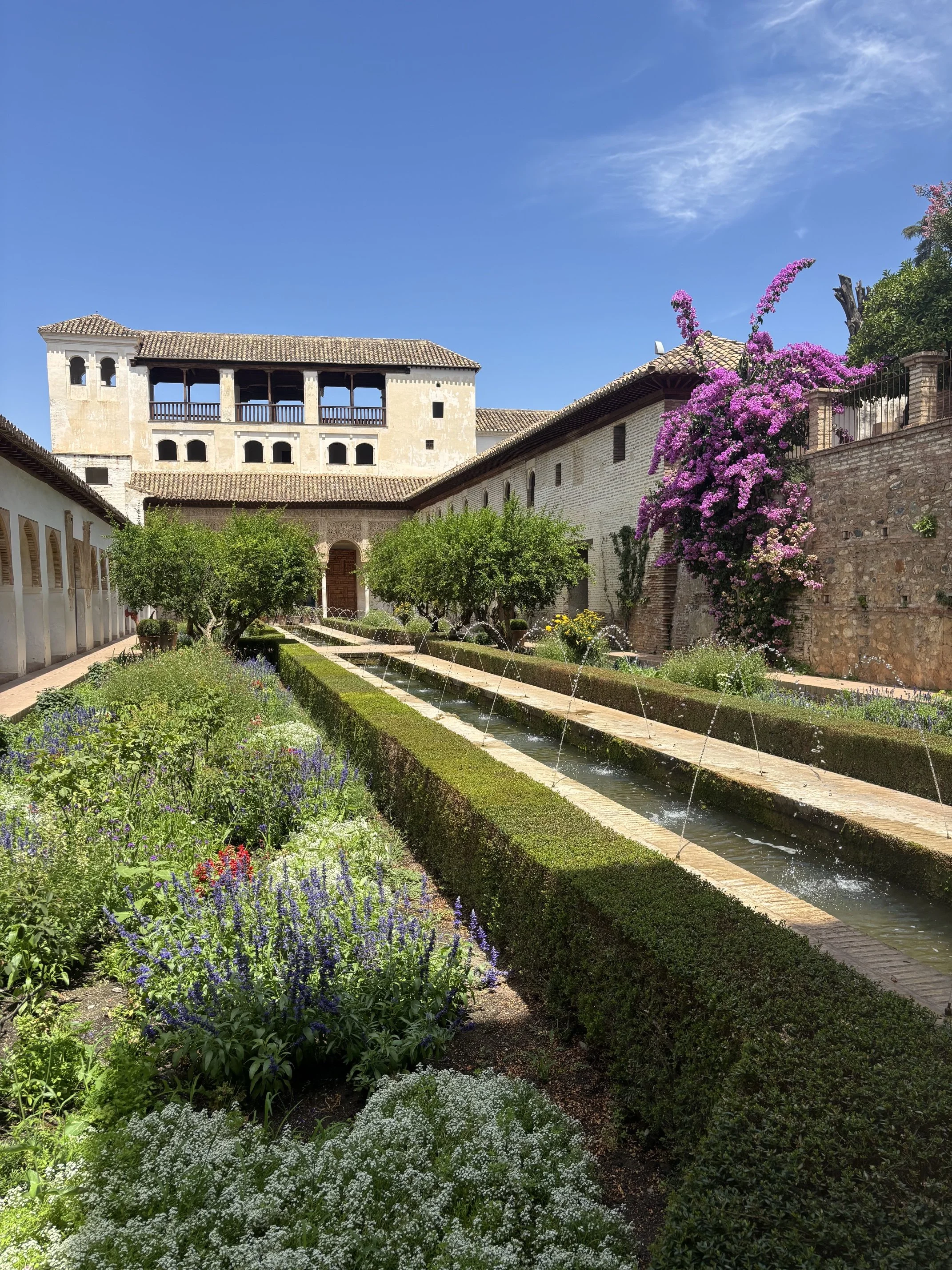
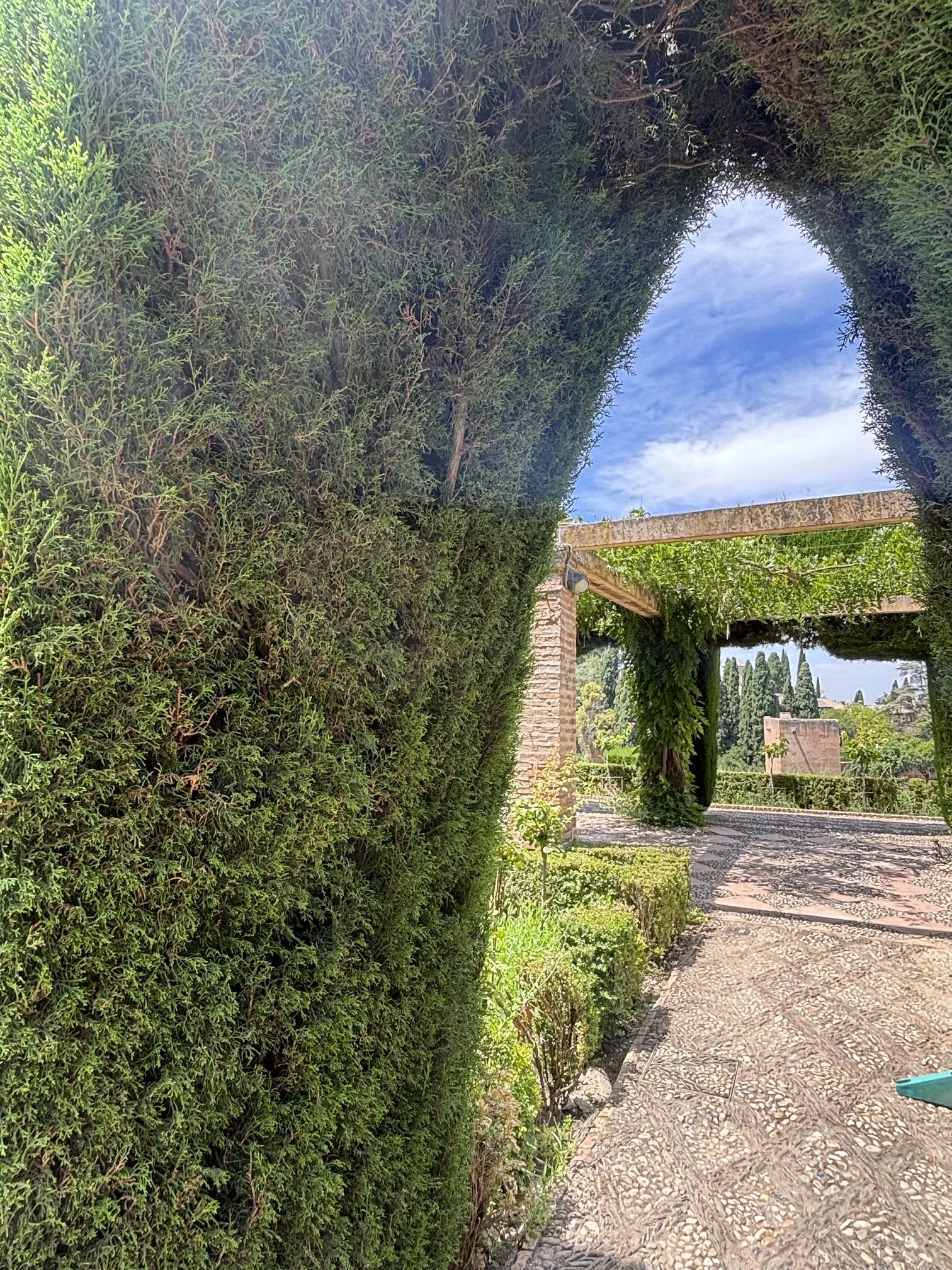
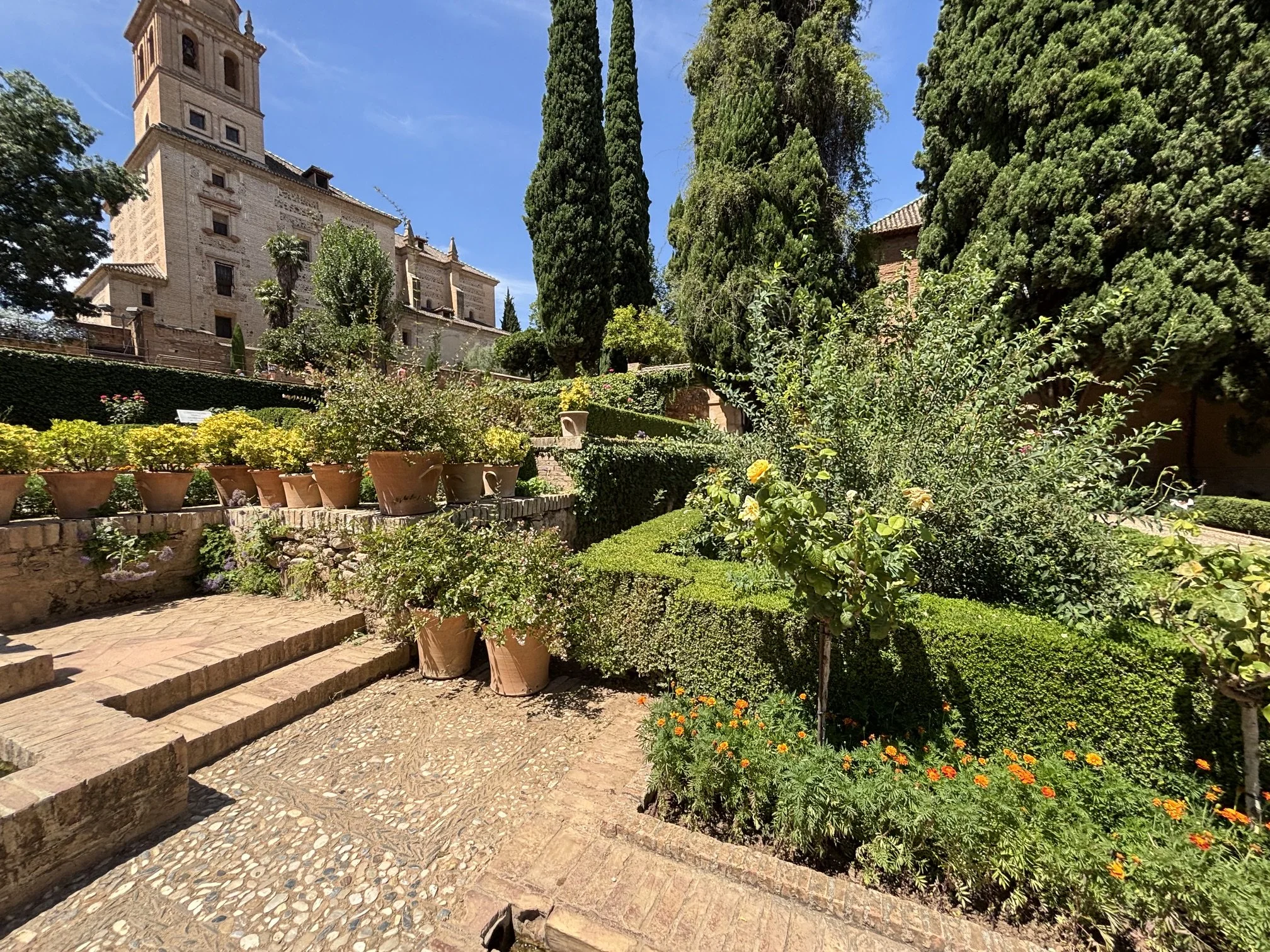
Located on the Hill of the Sun next to the main complex of Alhambra, flowers spilled from beds in bursts of color. Hedges carved clean lines through the abundance. Cypress trees stretched vertically above them, while fountains and narrow channels of water moved in another direction entirely. Around every corner, something new waited to be uncovered.
I imagined being able to walk around before anyone else arrived—no tourists, no groundskeepers. Just me, my morning coffee, and the quiet early light moving across the flowers. Knowing I have successfully killed every single houseplant I’ve ever tried to care for, I then thought about the amount of work it would take to care for the garden.
The longer I explored, the more I began to notice patterns. There was an intentionality to everything around me. I wasn't just looking at a garden. I was looking at something that had been choreographed.
Dance has shaped the way I see the world for most of my life. I danced in college, then spent thirteen years as head coach of the Southeast Missouri State University Sundancers—the same team I joined when I was seventeen. By the time I retired seventeen years later, I had spent half my life as a Sundancer.
As a dance team coach, I was always looking at the visuals: lines, levels, formations, repetition, and flow. We used music to punctuate the choreography, making big moments feel bigger and subtle ones more intentional. I understood how one movement could answer another and how stillness could be even more powerful than motion.
It’s an art. Choreography is a language. Even if you know nothing about dance, you can understand it. A choreographer can create joy, grief, or chaos without saying a word.
Walking through the Generalife, I recognized the same language. It wasn’t a dance routine, but every step I took through the garden allowed me to become part of its choreography. I didn’t know the steps but I let it lead me.
Every hedge created a formation. The flowers formed levels and focal points. Water provided a subtle rhythm. Pathways created transitions and trees gave depth. Without realizing it, my movement was being directed. A path pulled me forward. A burst of color turned my head. A fountain made me stop. The garden didn't simply hold my attention—it choreographed it.
Choreography is a language.
The garden didn't simply hold my attention—it choreographed it.
A powerful dance performance and a magnificent garden are both extraordinarily constructed experiences that somehow feel seamless.
With dance, you don't see the counts, corrections, rehearsals, aching muscles, spacing changes, failed lifts, or hundreds of repetitions. You see bodies moving as though the next step is inevitable. The best dancers can make tremendous control look effortless.
A garden creates the same illusion. You don't see the planting, pruning, watering, deadheading, fertilizing, pest control, or constant decisions about what should grow where. You simply see flowers blooming where it seems they were always meant to be.
In both, the work disappears into the beauty.
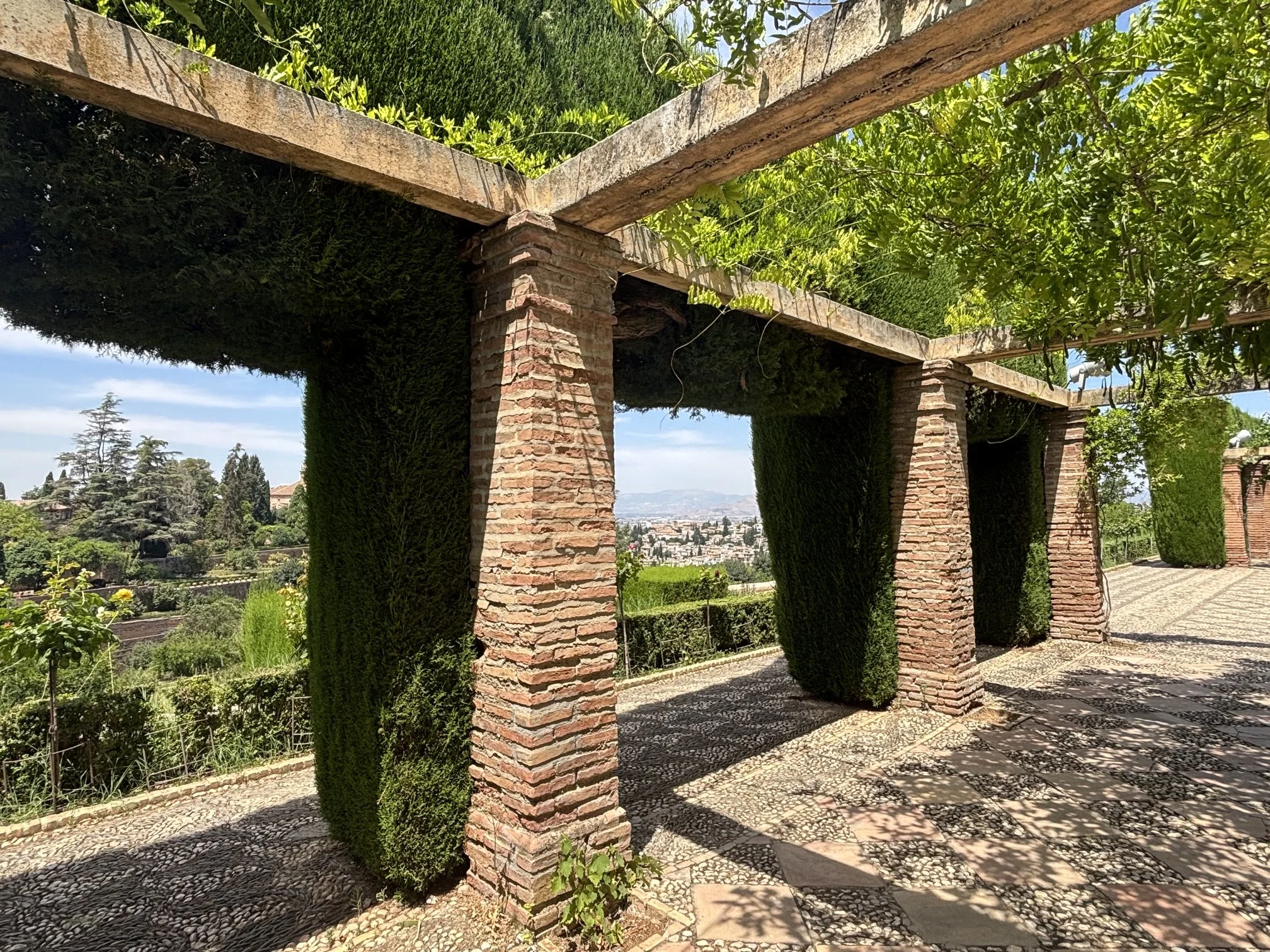
The Generalife isn't a garden only to be admired. It's meant to be experienced. You see color. You smell jasmine, roses, citrus and herbs. You hear water. You pass from sun into shade, through tree-lined passages that open into courtyards.
That’s how I came to realize the connection went beyond choreography and the language each used. Neither exists to be admired for its technique.
The point of choreography isn't to make an audience count the steps. The point of a garden isn't to make visitors identify every plant.
Artistry disguises the construction entirely. Eventually, you stop looking for the individual steps—or stems—and let yourself experience the performance.
I've been moved to tears watching dance. Even my husband, who knows nothing about dance, still remembers watching a routine where the music suddenly stopped during a turn sequence. He was astonished when the dancers continued moving as one through the silence.
The music cut wasn't an accident. It was intentional, and his reaction was exactly what the choreography was designed to elicit: worry, then wonder, then amazement.
That's the power of strong choreography.
You don't have to know the name of a dance step to feel the weight of a dancer falling to the floor. You don’t have to understand the mechanics of a turn to recognize the strength it takes to pull off a complicated sequence.
Walking through the Generalife, I didn't know the name of every plant, why it was planted, or even the centuries of decisions that had created what I saw. But none of that kept me from being moved by it. To slow down and admire it’s grandness.
That’s how art becomes a language. You don’t have to understand what you’re seeing to understand what you’re feeling.
I think that’s why I kept imagining myself there early in the morning, before anyone else arrived, coffee in hand. I didn't really want the garden for myself. God knows I couldn't keep it alive. I wanted more time inside the performance.
More time to wander. More time to feel.
But maybe knowing it was temporary—just like knowing a dance performance will eventually end, and that I’ll never experience it for the first time again—is what made it so precious.
I didn't need to know the choreography. I just needed to let the garden lead me.
Written by: Parwick
Photo credit: Parwick, 2026