The Holy Grail and other things we judge without knowing.

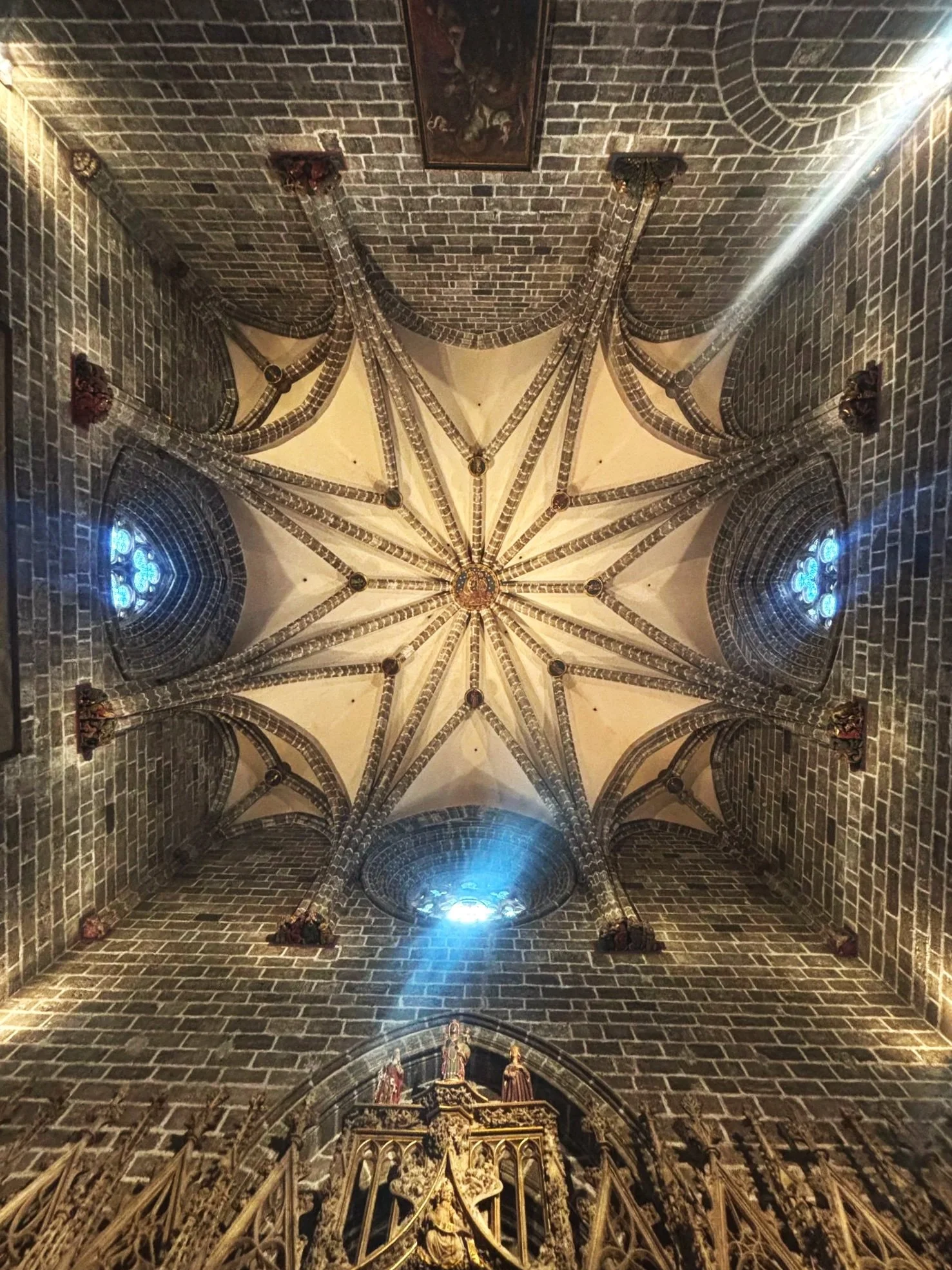
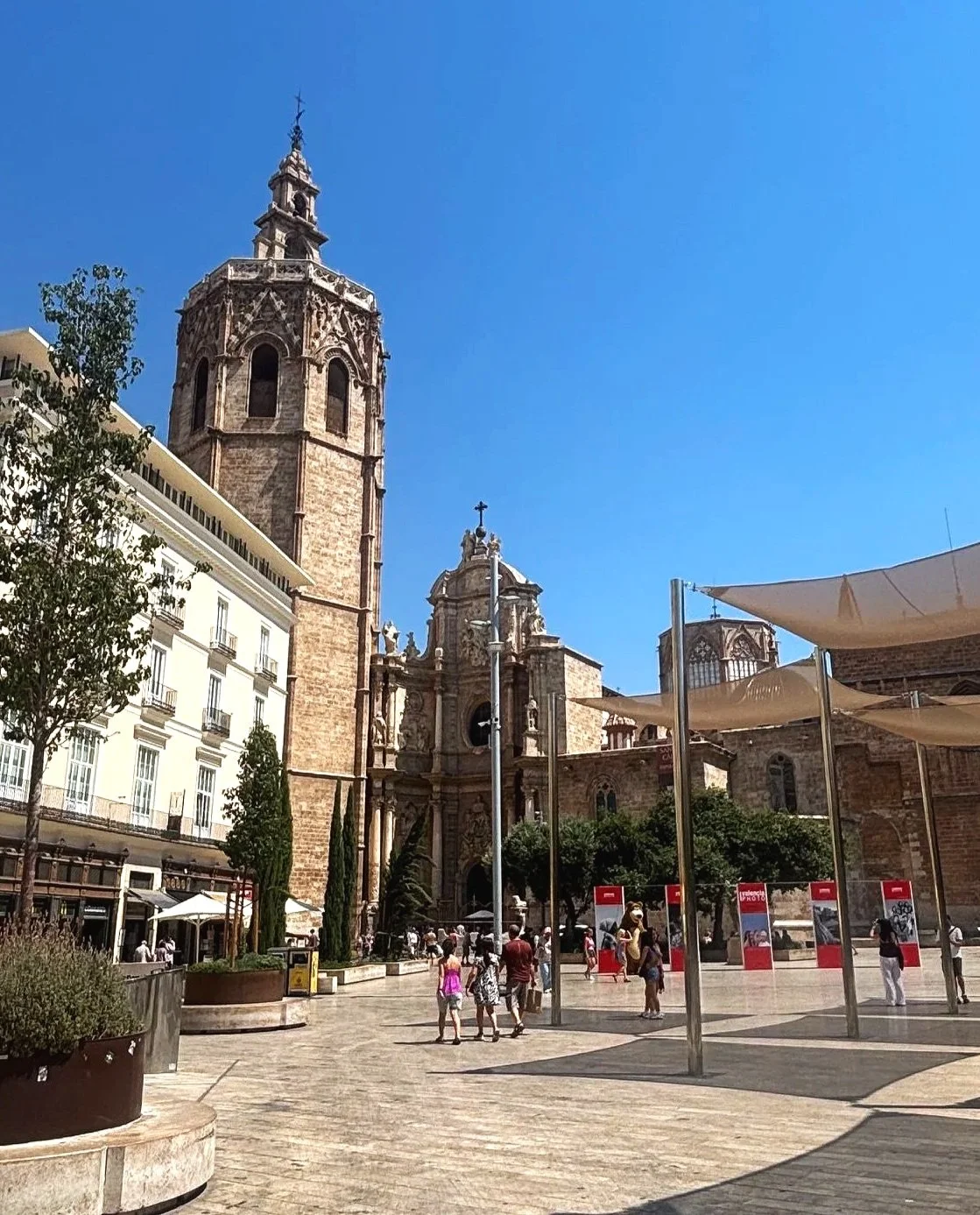
Valencia Cathedral | Valencia, Spain
“If you judge people, you have no time to love them.”
-Mother Teresa
The first time my doctor suggested I attend an Alcoholics Anonymous meeting, I immediately pushed back. I actually said these words out loud, “I’m not like them.”
When that same doctor persisted and even drove me to my first AA meeting, I left my wedding ring at home. I thought they were the type of people who would rob me.
I'm so ashamed to admit that. But it's the raw truth.
Think for a moment. What do you picture when you hear someone is an alcoholic? Be honest… Do they look like you? Do they shop where you shop? Do they socialize with the people you do? My answer would have been ‘no’ to all of the above.
See, I had a job. I could maintain relationships. I had a loving family, a spouse, a home. I wasn’t living under a bridge.
This is what a high-functioning alcoholic looks like. We look “normal.” We keep up appearances. We can function in society like anyone else.
When I heard the name Alcoholics Anonymous, I imagined the people sitting in the room. Disheveled. Unkempt. Unsavory. Even in TV and movies, the stereotypical drunk going to an AA meeting rarely has their shit together. We all know the common tropes.
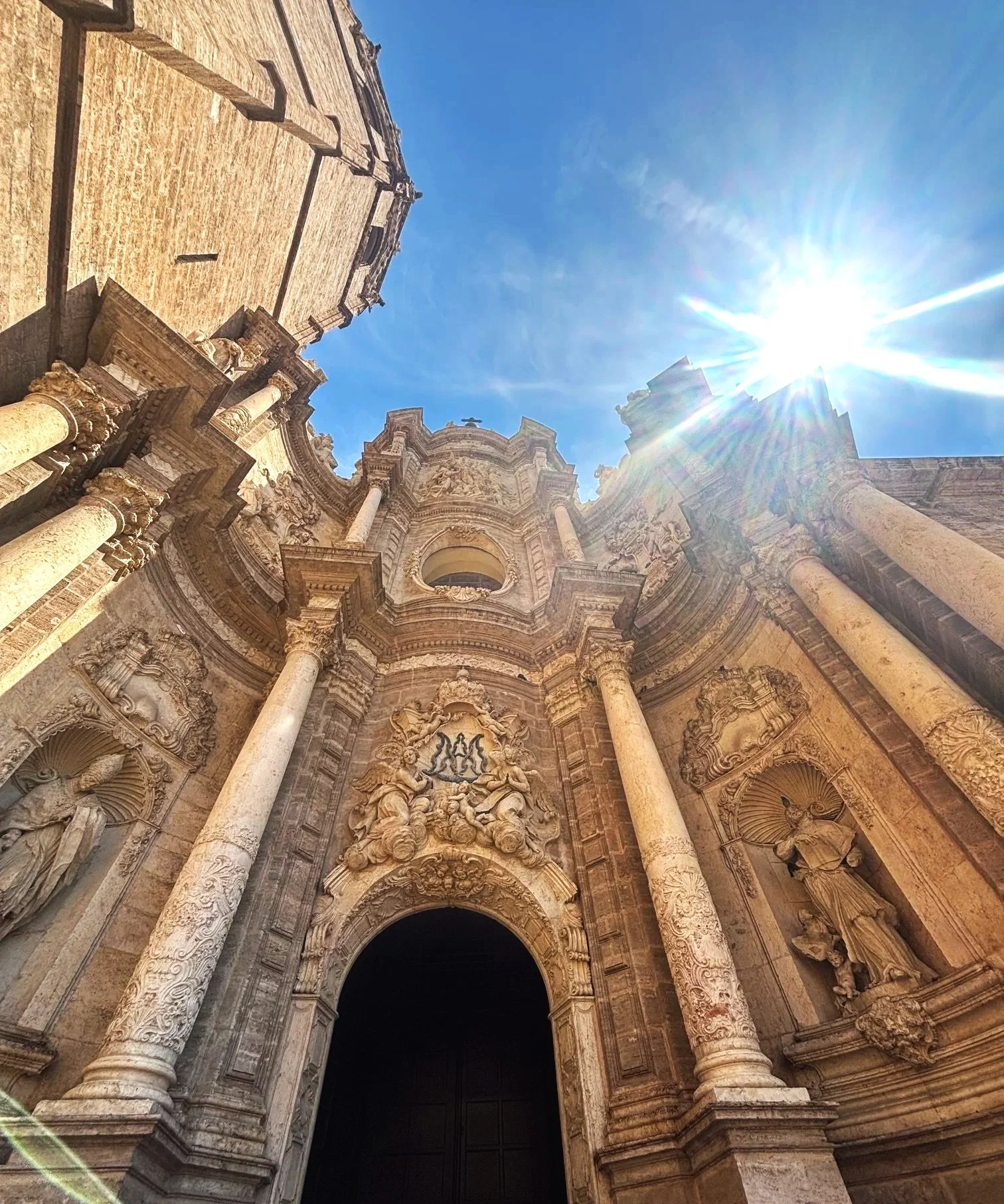
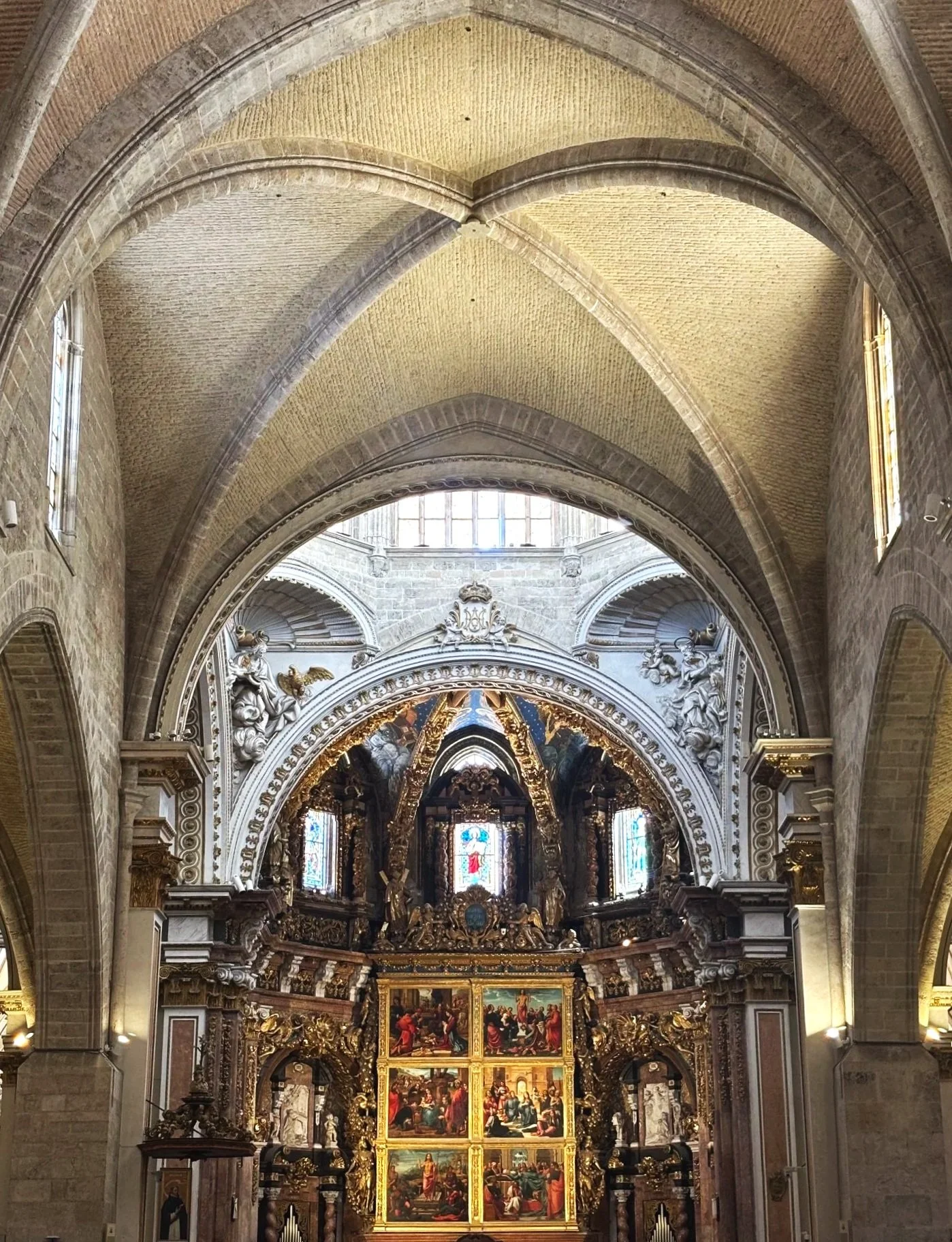
I recently visited Valencia, Spain. One of the things you have to see is the Valencia Cathedral, which is home to the Holy Grail (traditionally believed to be the cup used by Jesus at the Last Supper). I’m not a church-goer but this is bigger than religion. This is an important historical relic.
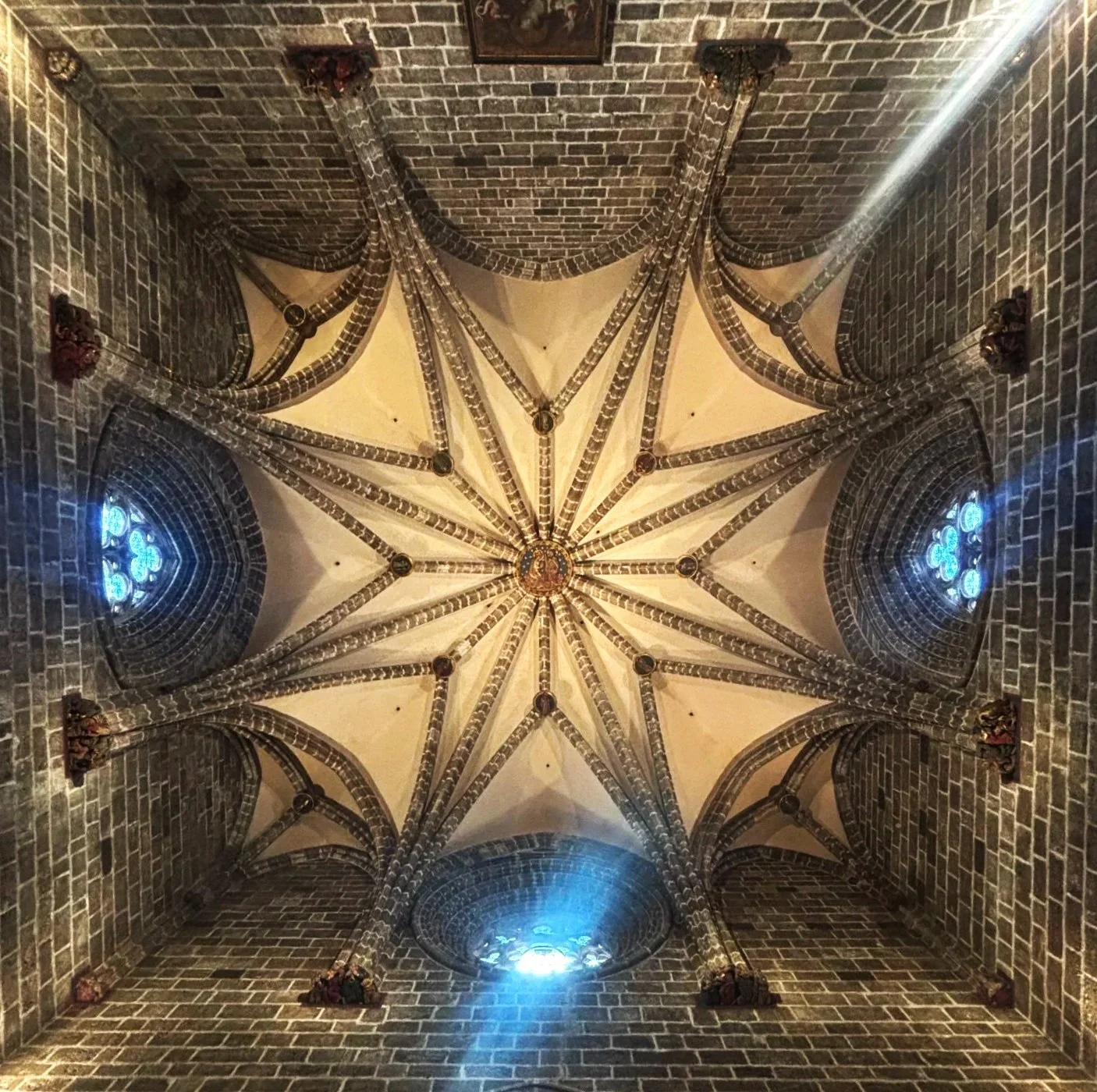
I don’t know that I ever paused to consider what I thought I would see. All I knew was it was the Holy Grail. So it must be special, right? I waited in line and purchased a ticket to see the artifact. It was in a chapel away from the main cathedral. Immediately when I walked into the room, I was amazed at the intricate wooden detailing adorning the ceiling and walls that surrounded me.
There were dozens of people crowded into the room. With quiet respect, everyone seemed to understand the significance of the space and the piece of religious history it held. A cultural symbol that has inspired countless books, movies, legends, and quests.
Trying to make my way through the crowd, I glanced around the room trying to find the chalice. Perhaps expecting it to be in the center of the room, I was surprised when I realized I had looked past it several times.
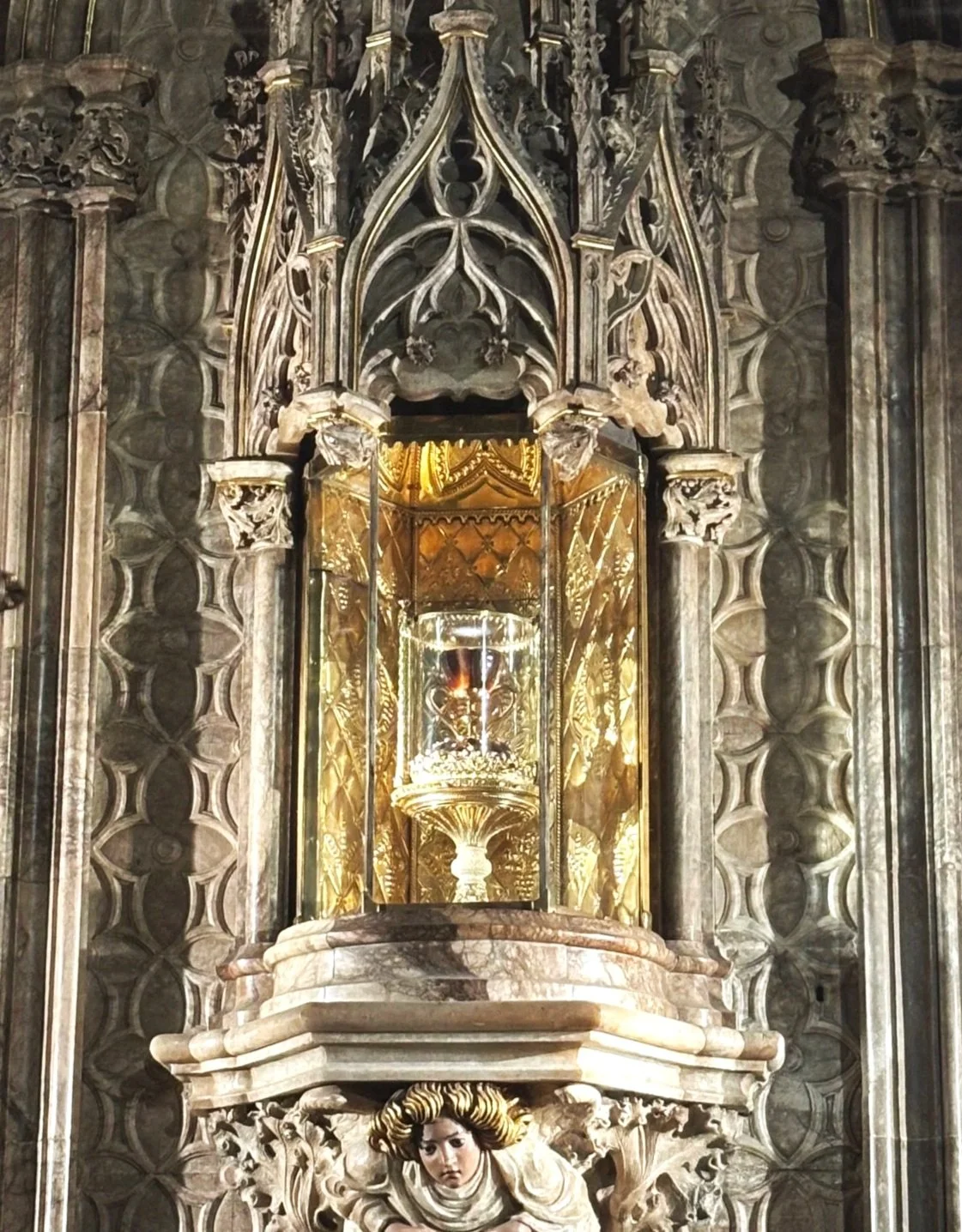
Enclosed in a protective glass box, about 15 feet beyond a rope acting as a guard rail for the crowd, up a couple of steps, and behind an altar, stood the chalice. I wouldn’t say it was unassuming or unremarkable by any means but because of how small it was—just big enough to fit in someone’s hand—and how far away it stood from any visitor, I almost missed it.
I took a moment to stand in front of the vessel, trying to see its detailing, but it was a challenge. The glass created a glare and the distance made it tough to really make out what I was viewing. I even later looked up photos just to see a close-up image of what I witnessed.
The true relic, the chalice, is the top portion. A goblet carved from reddish-brown carnelian agate. I later learned that gold foot and handles were added in the Middle Ages. Although I could not see these details from where I stood, I also discovered there are 28 small pearls, two almandine garnets, and two emeralds embedded in the gold base.
I left feeling a little underwhelmed by the experience but quickly realized that it was my preconceived notion that led to my disappointment. It made me think about the other things I’ve misjudged because I let my expectations shape what I thought I would find.
I had looked right past the Holy Grail because it wasn’t what I expected.
I'd done that before.

It made me think about the other things I’ve misjudged.
I had looked right past the Holy Grail because it wasn’t what I expected.
It made me think about my original perception of what an alcoholic looks like and how I thought I was better than the people who go to AA. I walked into my first meeting thinking I would have nothing in common with the other people in the room. What I found was a room of accomplished, important, and productive members of our community.
Talk about a humbling experience.
I’d like to share a few things I experienced during my first meeting. A meeting I didn’t want to go to. Where I thought the attendees lived in a box on the street.
Please know… I now realize that it wouldn’t matter if they did. Regardless of someone’s circumstances, they deserve compassion.
I took a seat on a hard metal chair and clenched every muscle in my body, waiting for it to be over. They immediately welcomed me and asked if I wanted to share anything about myself. I said my first name and nothing else.
“Do you have a book?” one of them asked.
“What book?” I questioned.
“The book. The big book,” he said, handing me a thick blue hardcover book. The words “Alcoholics Anonymous” were subtly embossed on the front. There was no other text or graphics on the cover, just the name. As inconspicuous as you’d imagine.
‘Read it,” he said sternly.
‘Oh god, right now?’ I thought to myself. I was intimidated.
The meeting began. It was structured, but informal. We said the Serenity Prayer. I’d never heard it and I was surprisingly moved. Tears formed, but I hung on.
Someone read, “the only requirement for membership is the desire to stop drinking.”
The guys then guided me through the meeting outline, explaining each nuance, what to expect, and taught me about meeting etiquette. As each one spoke, they shared a little piece of their story. How they came to be sitting in this room.
They were all very kind, helpful, and, contrary to the ridiculous picture I'd created in my head, they all had their teeth. They helped me understand the core principles of the organization and its fellowship. I would’ve been lost without their direction.
After listening to each of them speak of their shortcomings, share their fears, and their wisdom, I was captivated. I could relate to each of them. And that’s when I realized, not only am I no better than any one of them, I had so much to learn.
Our stories are different, but somehow we’re the same. We don’t look alike. We don’t talk the same. We don’t even know each other, but in that room, I found support. They became what I now affectionately call, “my guys.”
I went back the next Sunday. And the week after. And another. I still attend regularly today, three years in. Each week I discover something new about myself—through their experiences. I have shared things with this group of strangers that I have told no one else. I don’t have to be perfect in that room. I’ve never felt judged.
To fit in, all I needed was a desire to stop drinking and the ability to be honest—most importantly, with myself.
When I discovered that some of the gentlemen had been sober for decades, and still continued to show up week after week, I wondered, why? After one of the meetings, I asked one gentleman who had been sober for 40-plus years why he keeps coming back.
He said matter-of-factly, “if I didn’t, who would be here when you got sober?”
I asked one gentleman who had been sober for 40-plus years why he keeps coming back.
He said matter-of-factly, “if I didn’t, who would be here when you got sober?”
Before my first AA meeting, I took off my wedding ring because I was afraid someone might take it from me. Instead, I realized what they gave me.
One of those men had been showing up for more than forty years because he wanted to make sure someone would be sitting in that room when a person like me eventually walked through the door.
I had misjudged them before I ever got there.
Years later, I stood in a cathedral in Valencia and nearly looked past one of the most coveted relics in history because it wasn't where I expected it to be. It wasn't as large as I imagined. It didn't immediately announce its significance.
Isn’t that exactly what expectations do? They convince us that we already know what we're looking for.
I thought I knew what an alcoholic looked like. I thought struggle would announce itself. I thought broken people would look broken. Someone with a job, a marriage, a home, and a life that appeared “normal” couldn't possibly belong in that room.
I was so wrong.
Sometimes the things we’ve decided aren’t meant for us turn out to be exactly what we need. And sometimes the person struggling with alcoholism looks exactly like the person standing beside you.
Sometimes, she is you.

Written by: Parwick
Photo credit: Parwick, 2026