The work wasn’t about fixing me: what Socrates and sobriety taught me about asking why.
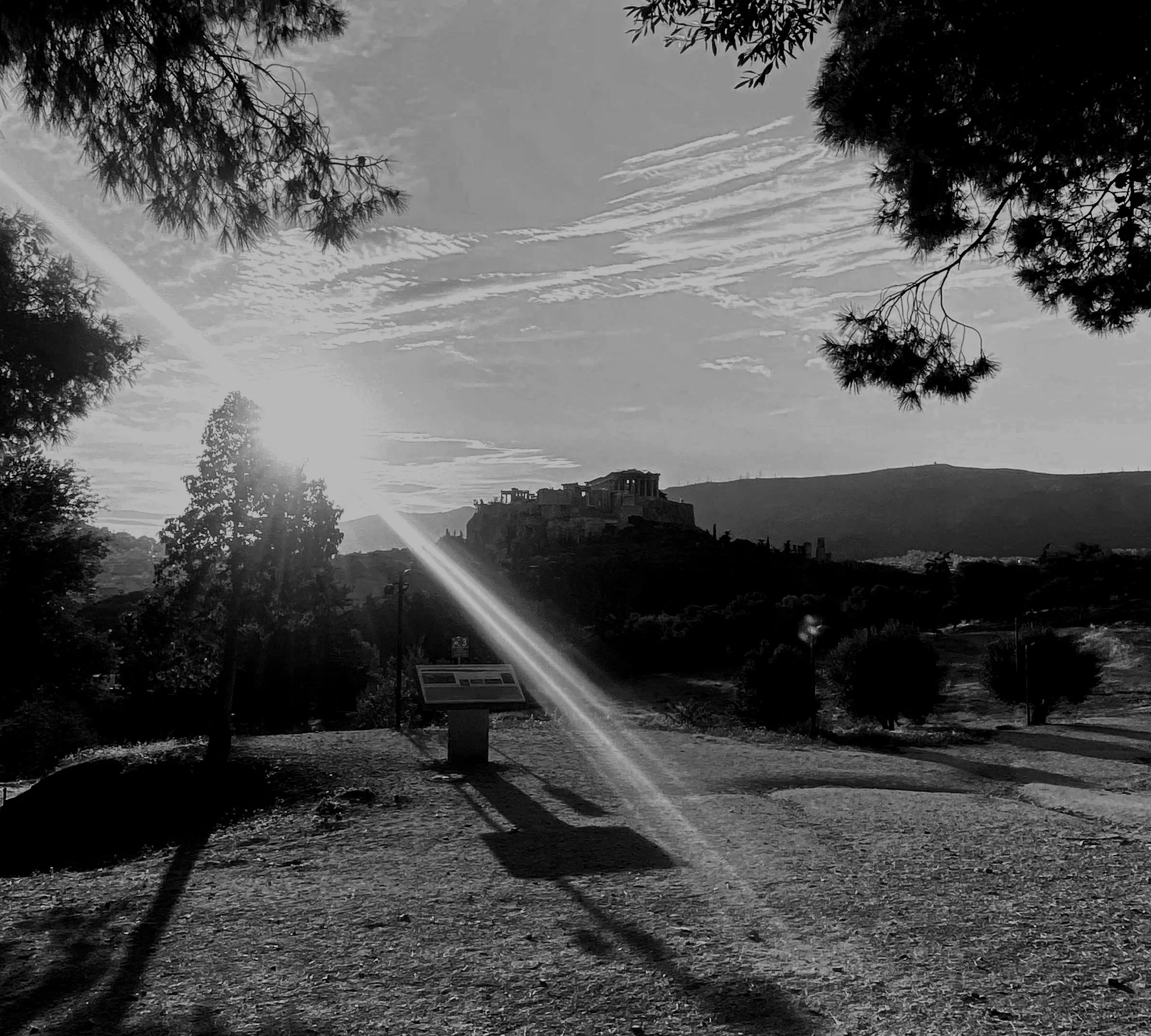
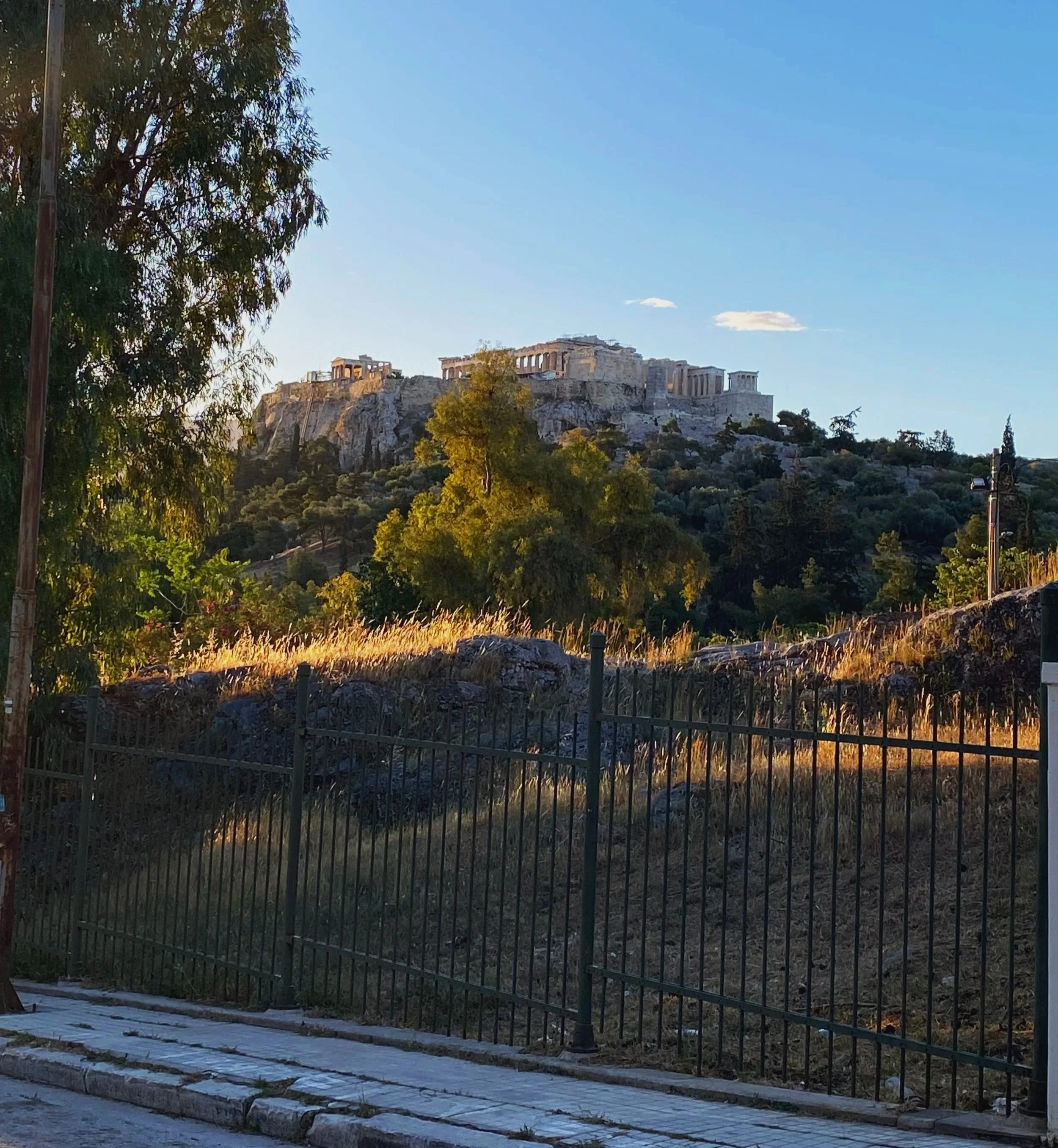
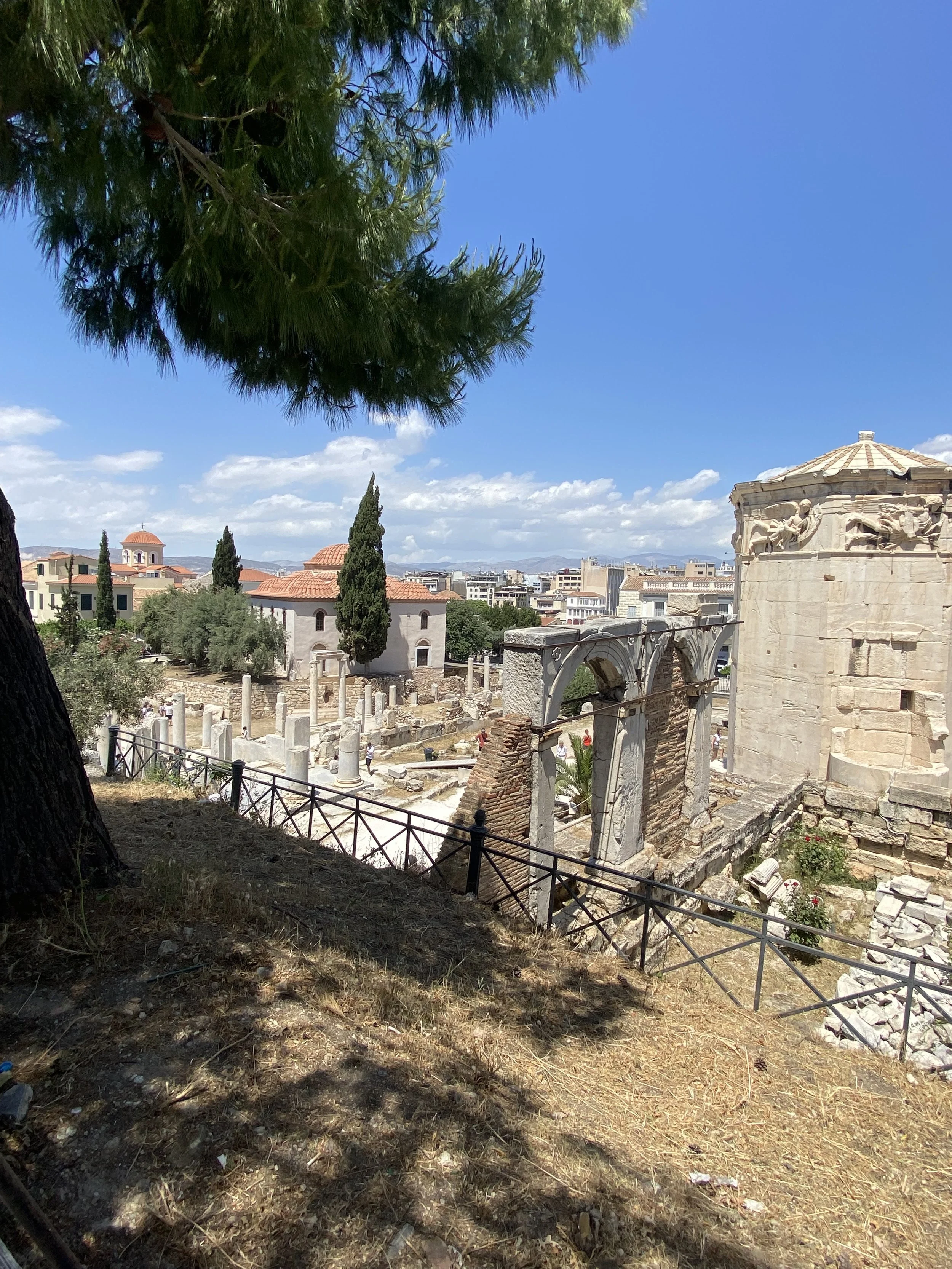
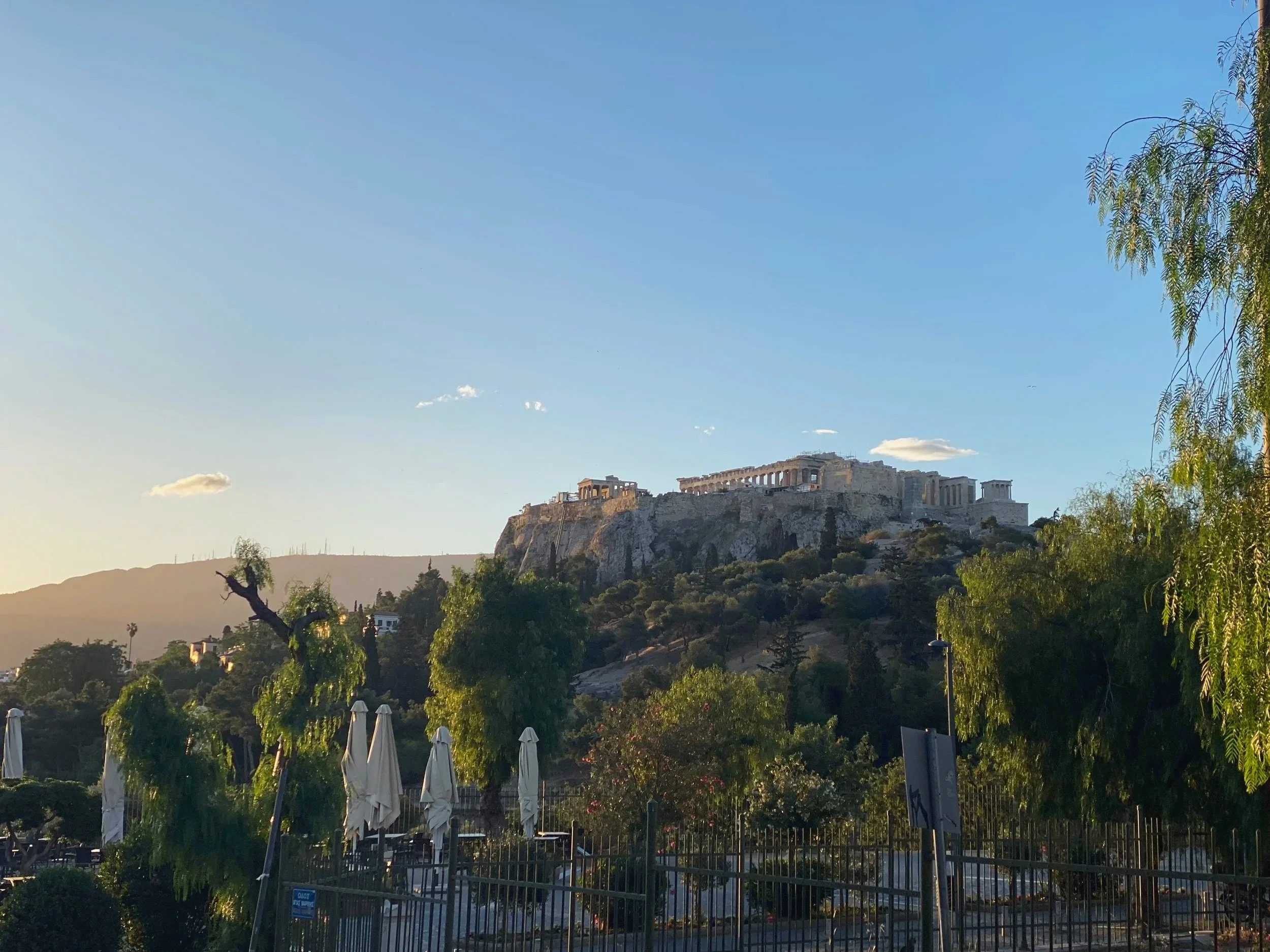
The Acropolis | Athens, Greece
"The unexamined life is not worth living."
-Socrates, Plato's Apology
Do the work.
That’s what you’ll hear in AA. Go to meetings, go to therapy, read, write, focus on yourself. Dig into the darkest corners of your soul, piece them together, and accept what you find.
Do the work.
So I did. I started practicing yoga, working on breathing techniques, and meditating. I read a book for the first time in a decade. I started working out. I even became considerate of the foods I consume. I listened to podcasts about wellness and mindfulness. I learned how to play Mahjong and started playing Pickleball. I joined a book club. I made time for me.
As I spent time working on myself, I started to notice a few benefits to my newly sober life. Like not putting two contacts in the same eye while getting ready for work in an alcohol brain fog. I haven’t thrown up in the shower. I haven’t accidentally overdosed on my prescription meds because I forgot I already took them.
I had some good days and a lot of bad days. I established little routines for my day. Each morning, I would put in my earbuds and listen to classical music while stretching. I took a couple minutes to journal (something my therapist suggested and I initially scoffed at). As things made me smile during the day, I took a second to notice and log them in my phone. I would try to go to at least one yoga class per week to set an intention and be one with my body.
I found a wonderful yoga studio in town that really supported wellness and Eastern healing techniques. It became a sanctuary of sorts for me in the beginning. I cherished my instructors and everything each class offered my body, mind, and soul.
But everything changed in one day when I was about 6 months sober. Still, three years later, I have yet to step foot in that studio.
I remember the day so clearly…
It was a chilly winter morning and gray skies loomed. I filled my clunky oversized tumbler full of water (another improvement I’d made since getting sober), grabbed my mat, and started my car to head to a yoga class. As I waited for my vehicle’s seat warmer to do its job, I remember silently questioning why I don’t wear actual winter clothes.
For the next several minutes, everything was normal. Almost like I drove through a tunnel to some dark side, only a few hundred feet before reaching my planned destination, my arms fell heavy on the steering wheel. My face flushed with warm energy. My breathing shallowed. My chest tightened. My back stiffened and my toes burned. I was no longer chilly.
Looking back now, I picture a human turning into a werewolf. What felt like an energy completely devouring me, anger engulfed every part of my body. I didn’t even have a second to work through it. It swallowed me. A red hot anger immobilized my strength and composure.
I tried to brush it off as I pulled into a parking spot and turned off my car. I remember thinking, ‘I just have to work through this.’
So I started my breathing techniques.
Inhale, slowly exh…
No.
I tried again.
Inhale, hold 2-3-4, exhale…
Nope.
One more time.
Inhale, close my eyes, hold 2-3-4, exhale, slowly open…
I couldn’t do it. I couldn’t control my breathing. I couldn’t control my rage. I saw red.
Maybe it was stupidity, but I stubbornly tried going to my yoga class. Praying for some relief. As I reached for the door handle, my ridiculously massive water bottle slipped from under my arm and landed on my bare toe… I guess that’s what I get for wearing sandals in the winter.
Without hesitation or grace, I turned and swung my leg back, planning on launching the water bottle over the building. Turns out I was not meant to be a soccer player because even as I gathered as much rage as I could to rid myself of the stainless steel tumbler, it barely lifted from the ground, and rolled about two feet from where I stood.
I smothered an angered “fuck you” to the water bottle for having hurt my foot twice in the last three seconds, and for the way it landed in the parking lot. Mockingly.
I left it there to die.
Thoroughly enraged, I tried focusing on centering myself as I positioned my yoga mat in the studio. I took a few deep breaths and tried to clear my mind. But I couldn’t. I couldn’t find stillness or calm. I couldn’t do anything but feel the anger take over my body.
This place that has become my sanctuary suddenly felt like a prison. The quiet amplified the ringing in my ears. The typical soothing music made my skin crawl. When I heard the person next to me exhale with purpose (IYKYK), I knew I had to leave before I did something I would regret.
Avoiding making eye contact with anyone, I grabbed my stuff and left just as the class began. I gave my water bottle the finger as I passed it, still lying in the parking lot. I got in my car and hot tears filled my eyes.
I screamed at the top of my lungs, tears streaming. For the next several minutes and let myself scream as loud as I could. I beat my hands against the steering wheel until they were sore.
Rage. It consumed me. It crippled me.
This was the first of many anger episodes I experienced for the next year. Pain I was used to feeling. Hurt and uncomfortable I was used to. Insecurities I could handle. Sadness and loneliness were familiar. But anger, was foreign to me. I had never experienced anything like that before. It was by far the hardest emotion for me to face. I had no control over it. It was debilitating.
At the time, I thought doing the work would make these feelings go away. I was wrong. Doing the work wasn’t about getting rid of difficult emotions. It was about learning how to sit with them.
Rage. It consumed me. It crippled me.
Doing the work wasn’t about getting rid of difficult emotions. It was about learning how to sit with them.
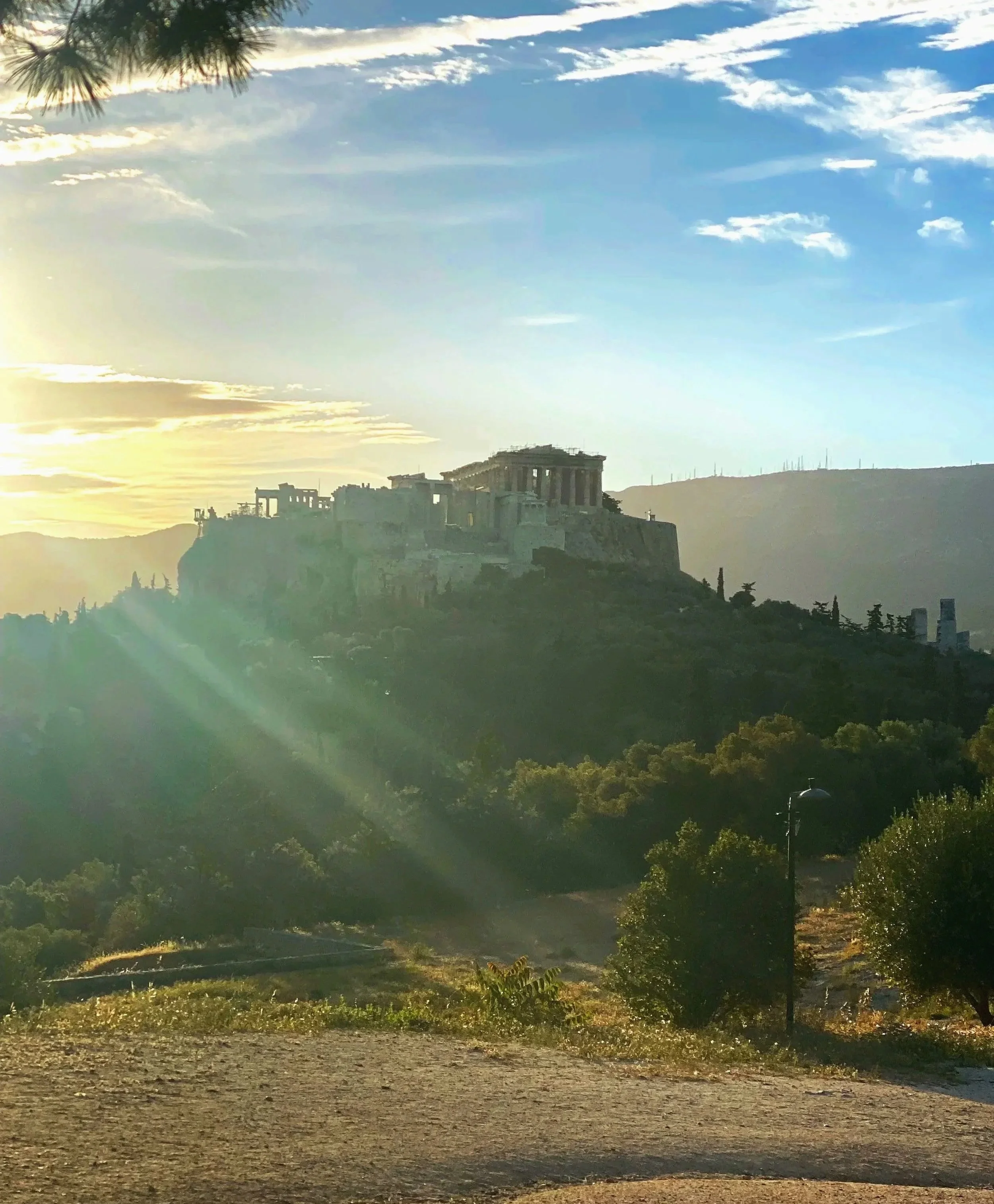
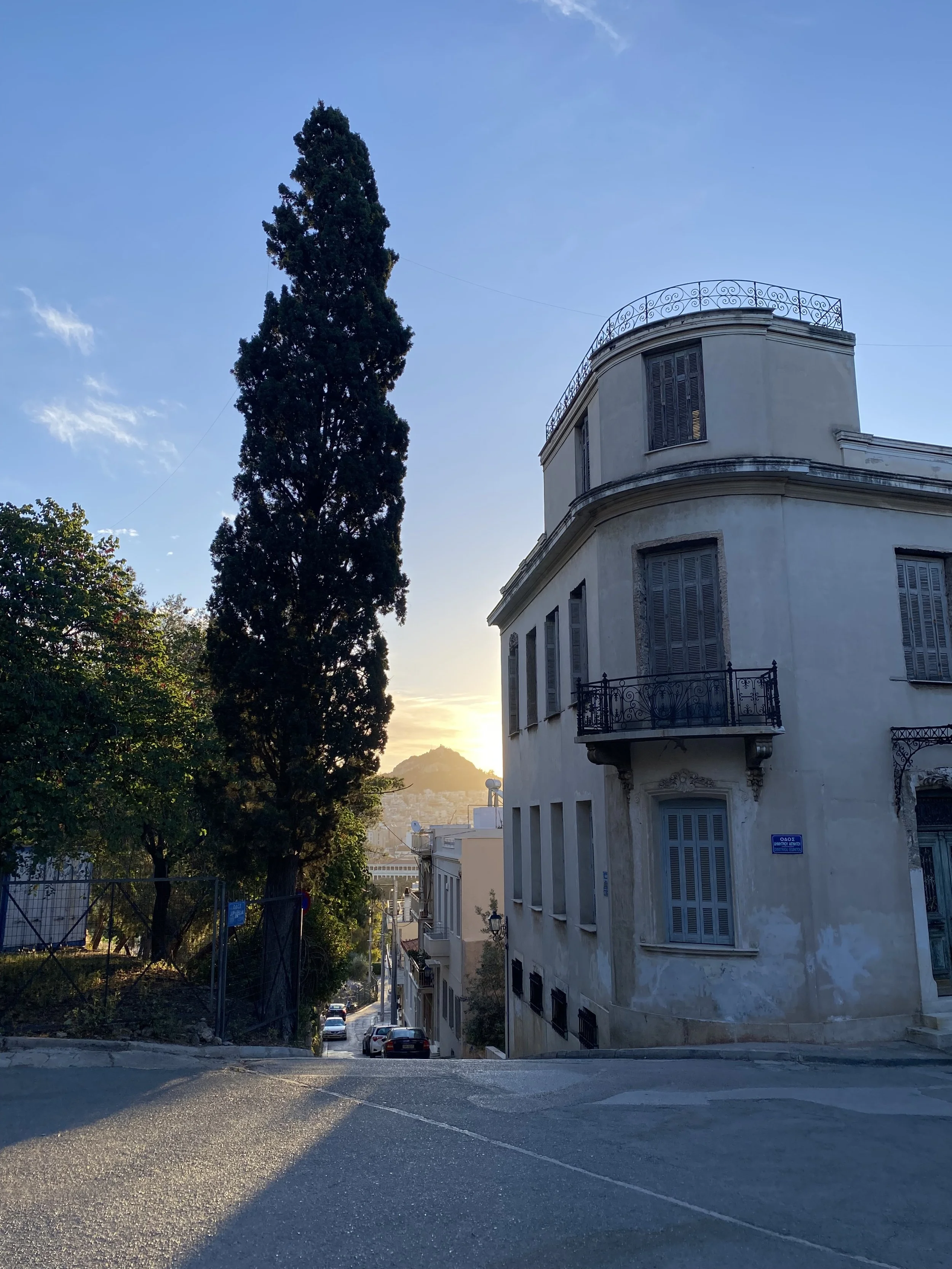
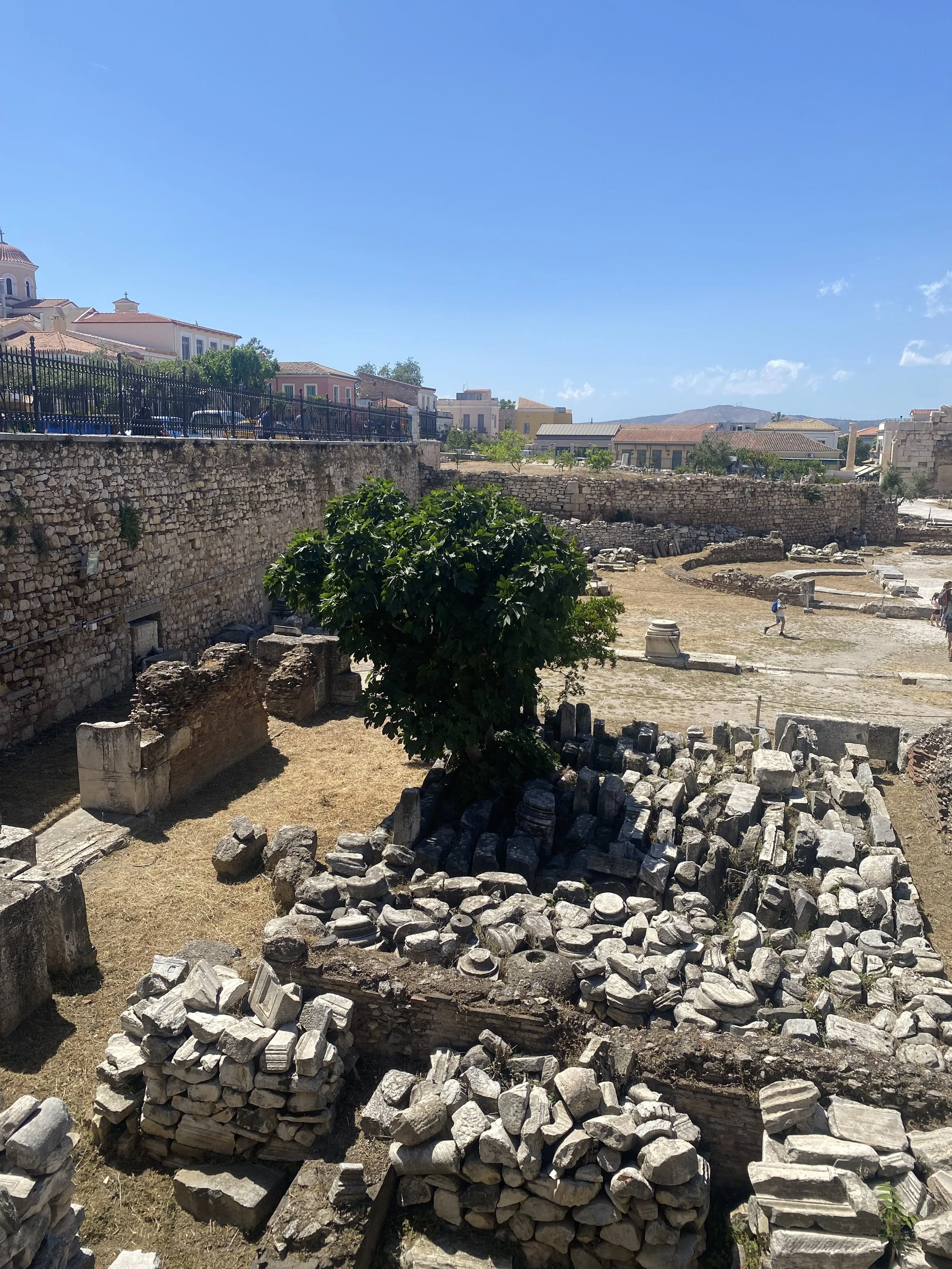
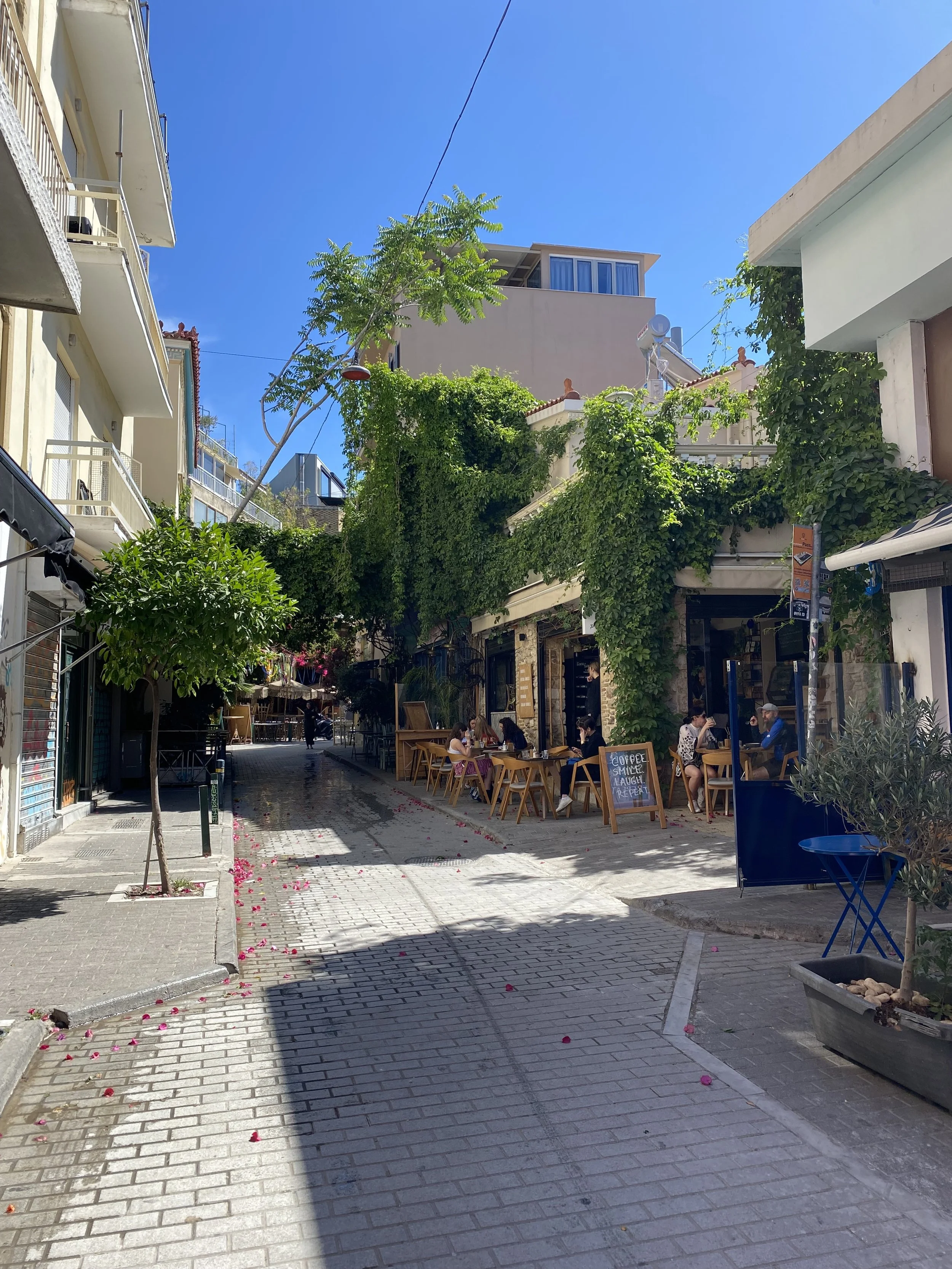
Almost a year after the first rage episode, I found myself in Athens, Greece. I expected to see ancient ruins and the place where monuments were built for the gods they worshipped. What I found was a city that was gritty and chaotic. It was incredibly alive.
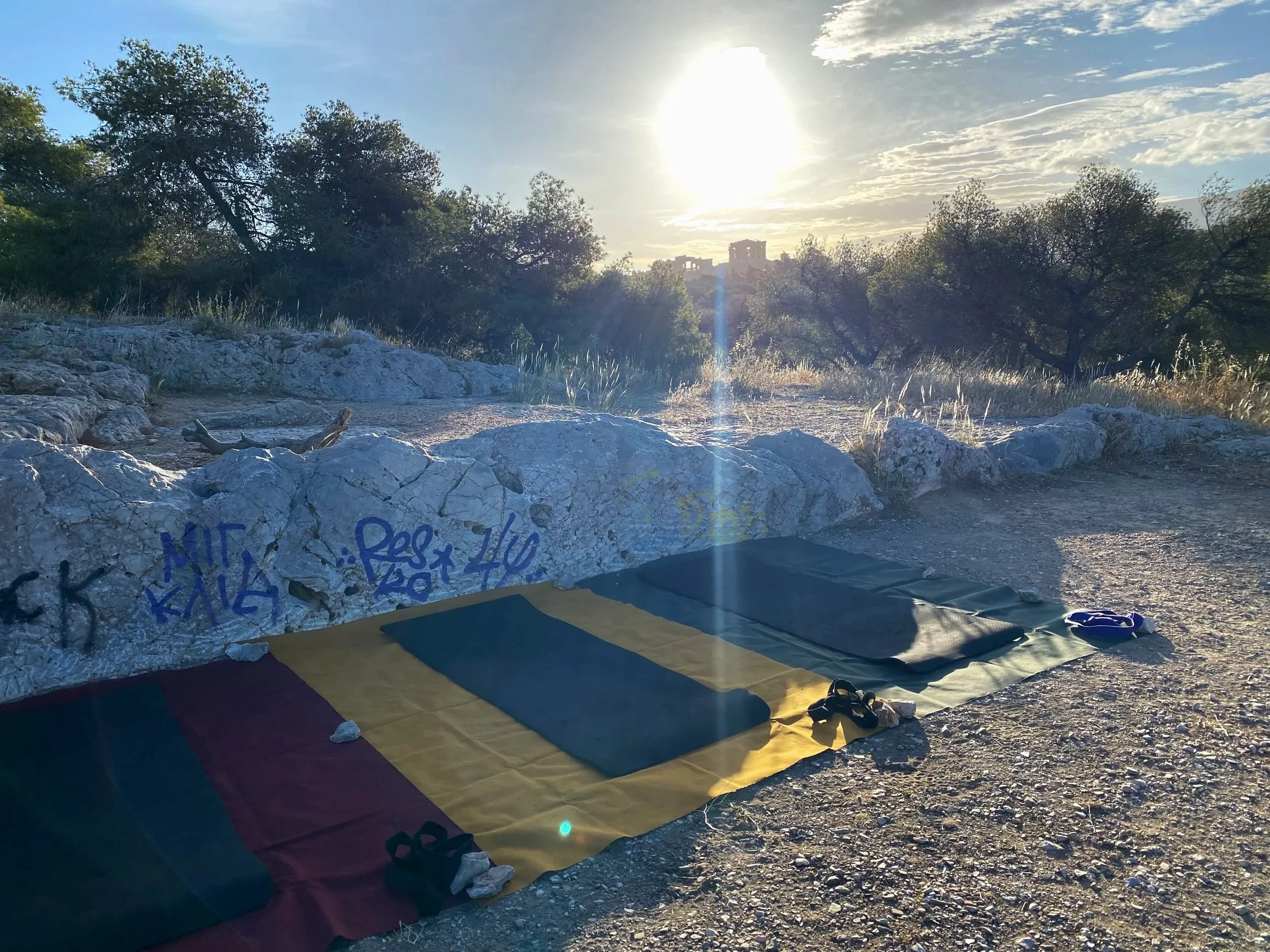
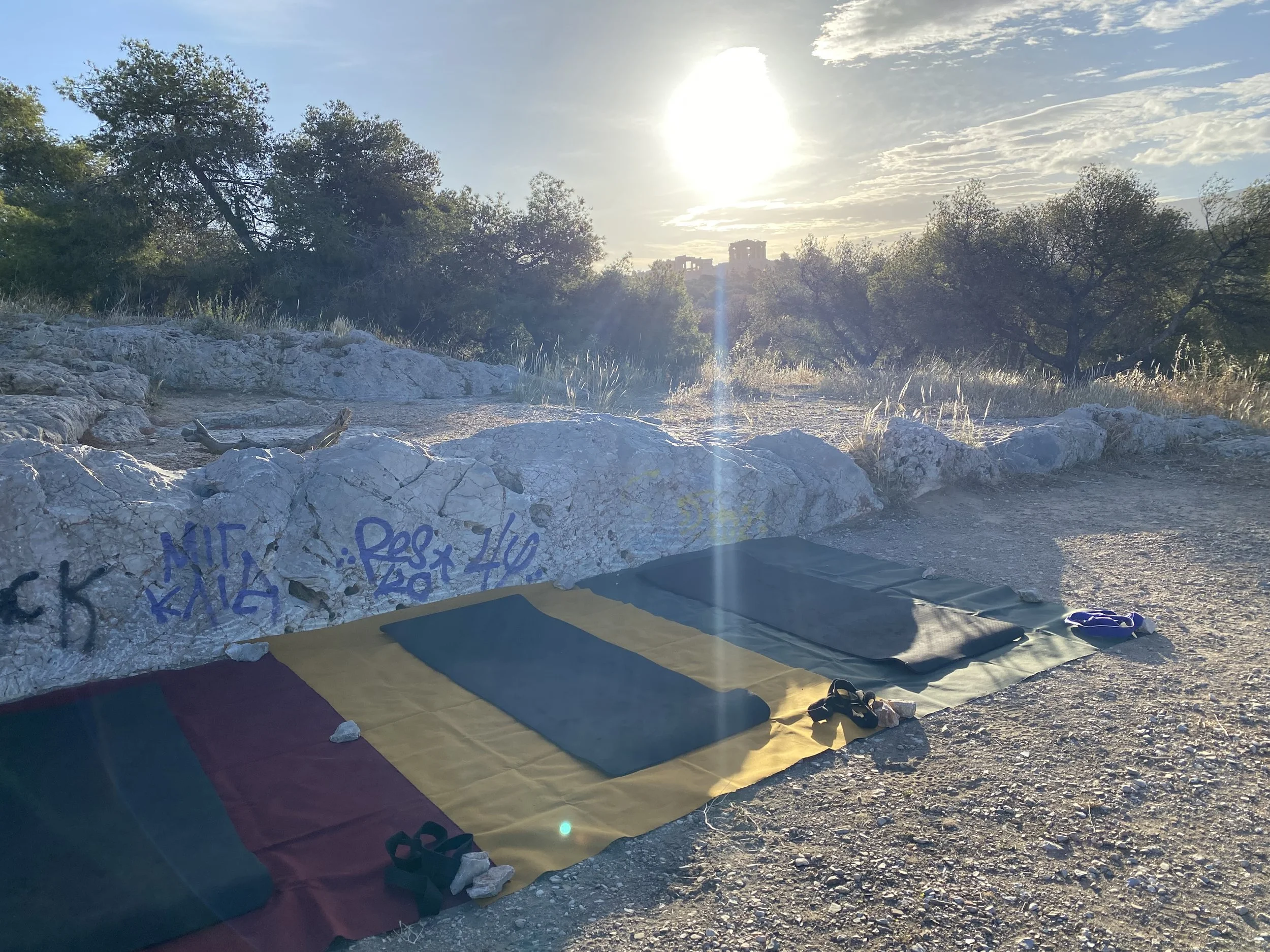
Knowing I would be spending the next week traveling and on the go, I decided to book a sunrise yoga session with a local instructor at the foot of the Acropolis. My goal was to dedicate an hour to myself with the hope of finding my center.
I hadn’t taken a yoga class since my last attempt which ended with me rushing out in frustrated tears.
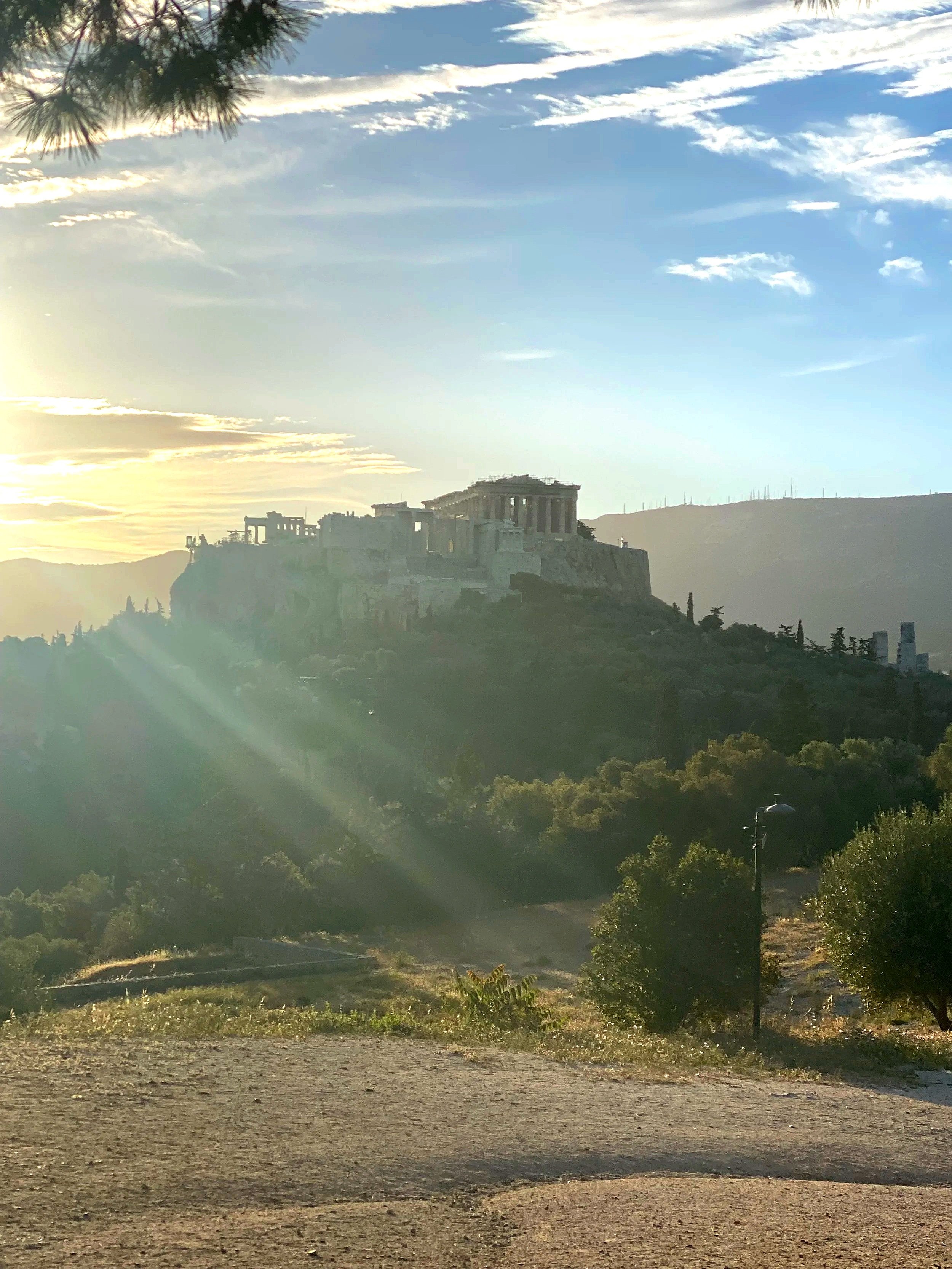
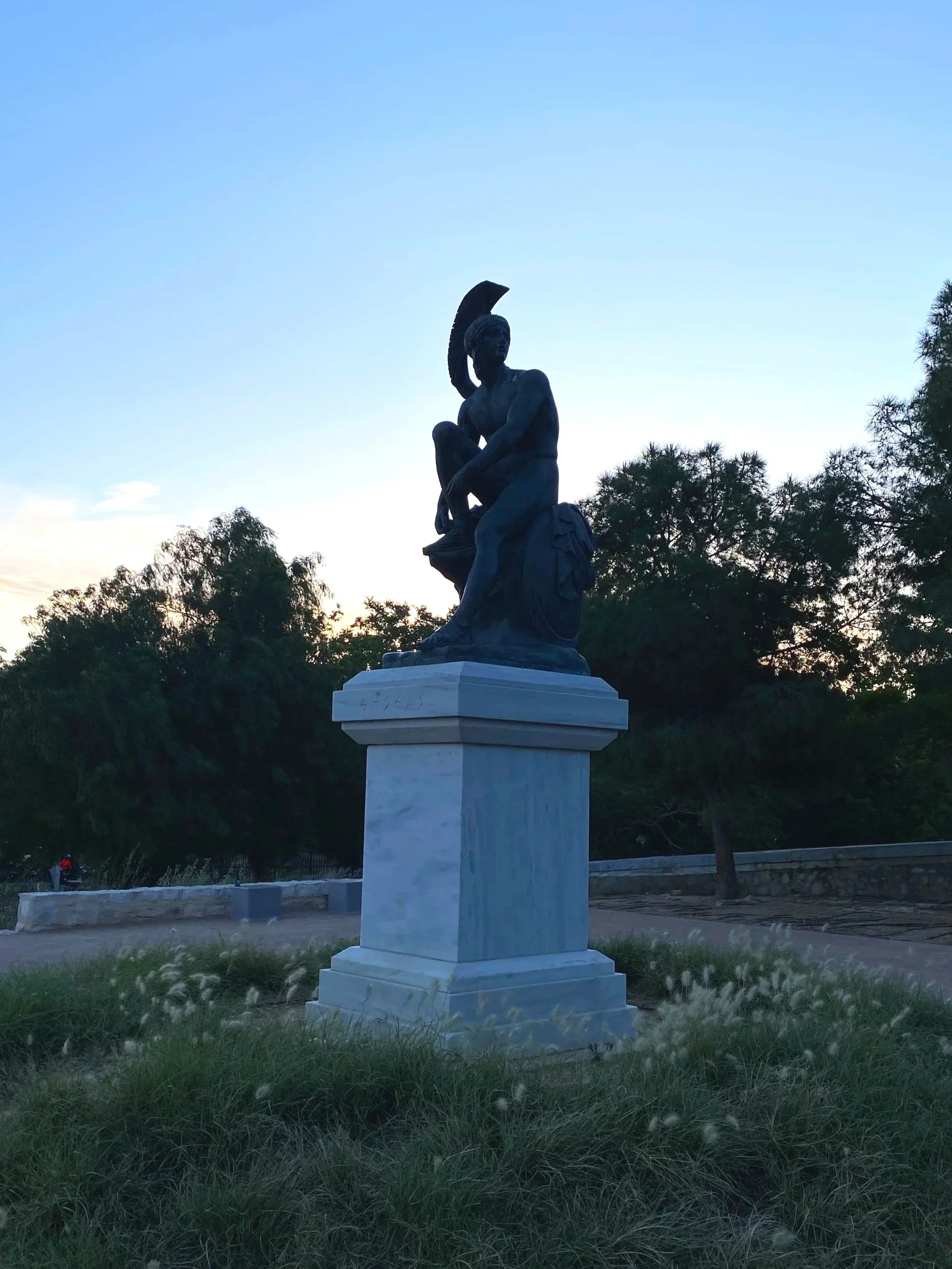
The class took place outside, on the ancient grounds of Philopappos Hill. Our mats faced towards the Mediterranean Sea while the sun rose over the Acropolis to our back. We were standing on the same grounds where the foundation of democracy was laid. Where Socrates and other philosophers questioned, debated, and challenged what people believed.
Socrates spent his life questioning what we think we know. And I realized that’s exactly what being in recovery is like, even if I didn’t recognize it for some time. I had to face the pain I had buried, and manage the ways it came out. Like anger.
As I took a seat on my yoga mat, I absorbed the incredible views. It was a quiet morning except for the sound of distant church bells ringing. The yoga instructor asked us to set our intention. I chose a simple one, “to slow down.”
He reminded us to release the tension in our bodies and focus on our breathing. He said to notice how we’re breathing and explained the difference between chest breathing and diaphragmatic, or belly, breathing. By breathing from your belly, you can take some of the work off the muscles in your neck, shoulders, and upper chest, releasing tension and promoting calmness.
I took a moment to place one of my palms on my chest and the other on my belly. I was breathing from my chest. When I consciously switched to the belly breathing, I immediately noticed a change in my posture. I became more relaxed.
As we began to move through some basic sun salutations, a calmness came over me. I found my balance. I was not in my head but one with my body as it flowed through each pose.
What was once an essential part of my recovery, then became a place I couldn’t help but associate with anger, yoga reappeared in my life in the most spectacular way. I was reminded that I could return to it whenever I was ready.
I often questioned why the anger episodes occurred. I wondered why it took such a strong hold over me and how impossible it was for me to battle. Why, why, why?
I don’t think the anger ever actually went away. I think I just learned how to deal with the energy it brought and channel it into something less destructive. Like going for a walk, scream sing/dance to Post Malone, or write. I still have moments where I feel like I could punch through a wall but I’m better at handling it these days… most of the time.
I could feel without letting it consume me.
I didn’t need to be fixed. I just needed to be there.
That morning in Athens, practicing yoga under the morning sunrise by one of the world’s most famous ancient ruins, I came to realize that questioning things could be part of the work too. And more importantly, simply doing the work wouldn’t give me the answers.
Instead of asking ‘why is this happening to me?’ ask ’why am I reacting this way?’ Not ‘why can’t I control my emotions?’ but ’what am I actually feeling?’ Rather than ‘how did I end up here?’—’what am I running from?’
Months earlier, outside the yoga studio in my rage state, I didn’t have answers. I couldn’t even sit still long enough to breathe. But Athens gave me an opportunity to try again. To slow down and be present. I was able to do the very thing I had been unable to do before—stay.
I used to think doing the work meant I would eventually become someone who didn’t feel rage, fear, sadness or discomfort. I thought if I meditated enough, exercised enough, read enough, breathed enough—eventually I would get it right.
But that’s not what happened. The work didn’t make me immune to difficult feelings. It taught me that I could feel them without letting them consume me.
I didn’t need to be fixed. I just needed to be there.
Perhaps that’s what Socrates intended. The questions don’t lead us to perfect answers. Sometimes they simply make us more aware of who we are, how we live, and who we’re becoming.
And maybe that’s what ‘do the work’ really means. Not to become a different person. But to be present enough to finally meet the person you already are… and to accept her.


Written by: Parwick
Photo credit: Parwick, 2024